
Polyethylene Terephthalate (PET): Clarity, Strength & Circular Potential

Laminated Polyethylene Terephthalate (BOPET) Composite Sail_ Designed & manufactured by OneSails GBR, these sails combine the low-stretch performance of PET film with the exceptional strength of carbon fibre. The sail maximises strength while minimizing weight. Sourced from The Material Sourcebook for Design Professionals_ P. 155
Polyethylene terephthalate (PET) is a saturated thermoplastic polyester (meaning it does not form cross-links between polymer chains, so it can be molded and reprocessed through melting). It’s used in bottles, trays, films, technical fibres, and product components. PET is clear, tough, chemically resistant, dimensionally stable, and relatively low-cost, which is why it spans everything from drink packaging to textiles, furniture applications, and thin engineering parts.
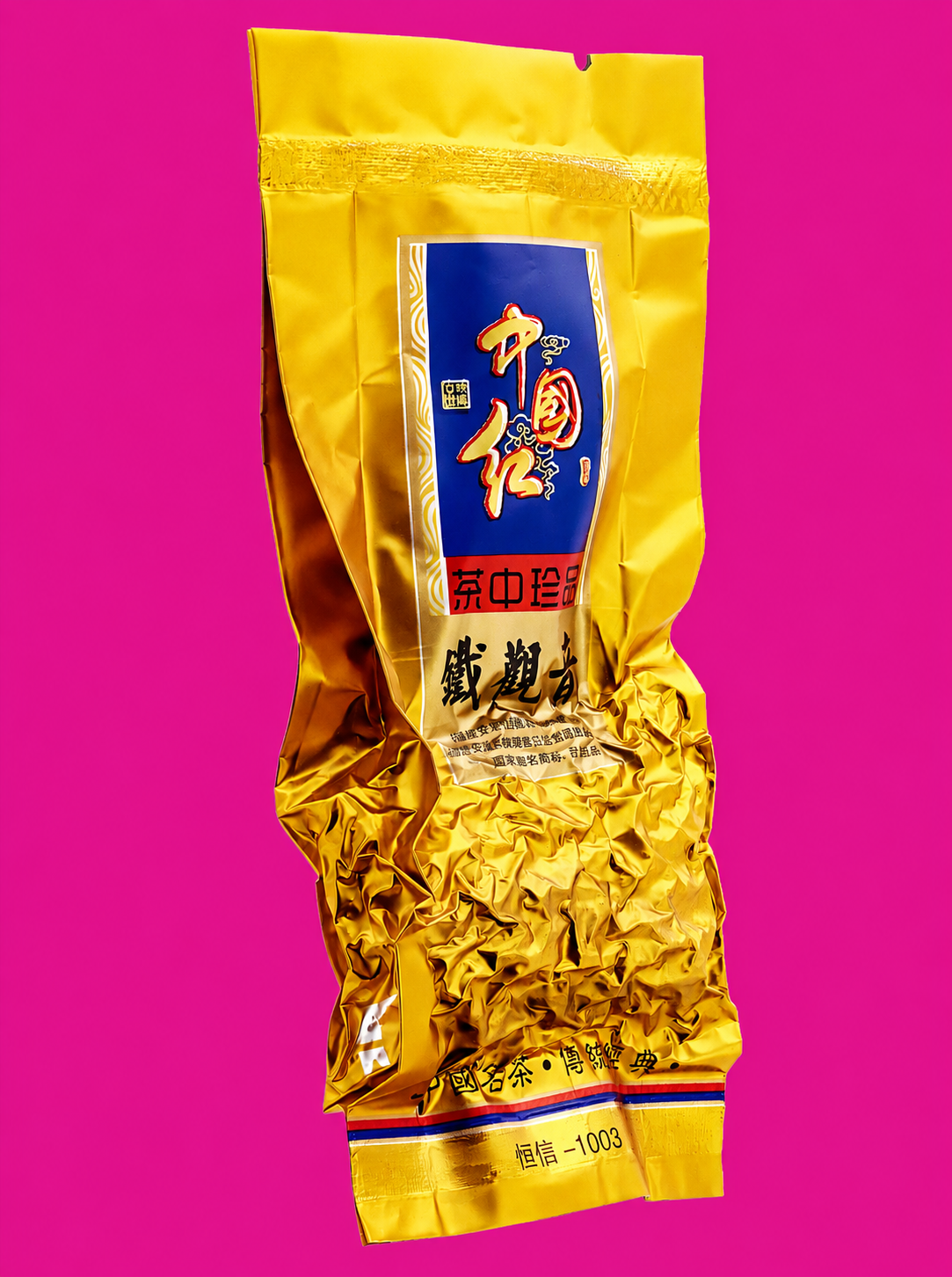
Aluminized PET Packaging_ Ingredients that are sensitive to oxygen, such as green tea, require additional protection. Metallizing combines the superior barrier performance of aluminium with the strength and versatility of PET film. Sourced from the Materials Sourcebook for Design Professionals_ P. 159_ Edited by Tomás Agnew
PET is hydrophobic, so it provides a reasonable barrier to moisture, gas, and aroma. It is lightweight (85% lighter than glass) and virtually unbreakable when dropped. It is stiffer than PP and PE, which helps reduce wall thickness and weight. PET’s dominant use in thin-walled packaging helps to ensure reasonable levels of collection & recycling. It is hygienic and resistant to attack by microorganisms and will not biodegrade; therefore, it is widely used for food and beverage packaging, while special multi-layered grades of PET are also used for things like tomato ketchup, fruit juices, and carbonated drinks.
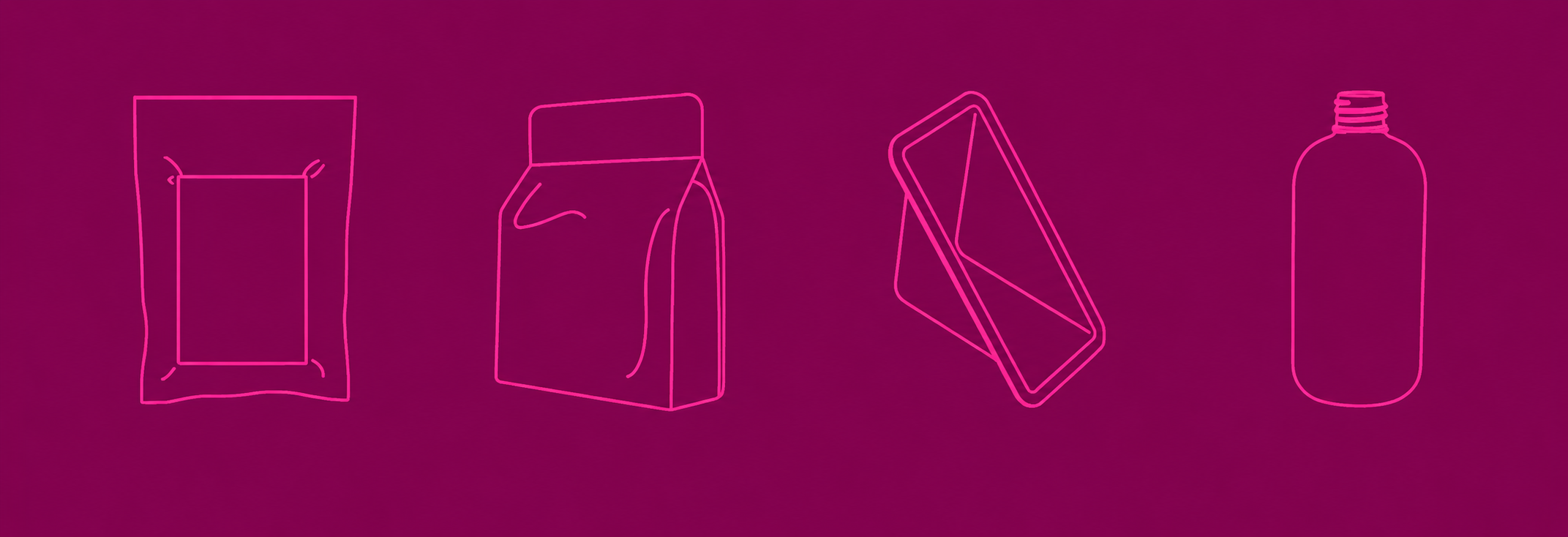
Manufacturing techniques used in PET packaging from left to right: Vacuum Packaging, Stand-up Pouch, Thermoforming, Blow Molding. Sourced from the Material Sourcebook for Design Professionals_ P. 157_ Edited by Tomás Agnew
The latest Europe-wide market data available in the PET reports shows PET collection at 60% in 2022, beverage bottles sorted for recycling at 75%, and average recycled content in beverage bottles at 24%. The European Commission has also reported that, based on 2022 data, ten EU countries had already met the 2025 77% separate-collection target for single-use plastic beverage bottles, with high-performing countries generally operating deposit-and-return systems.
But it’s not an automatic sustainability win. It is still fossil-based and non-biodegradable; its real circularity depends on clean collection, sorting, and end markets. Textile blends, pigments, barrier layers, full-body sleeves, difficult adhesives, and mixed-material assemblies all weaken overall recovery percentages. For example, PETG is a derivative material with no closed-loop recycling potential.
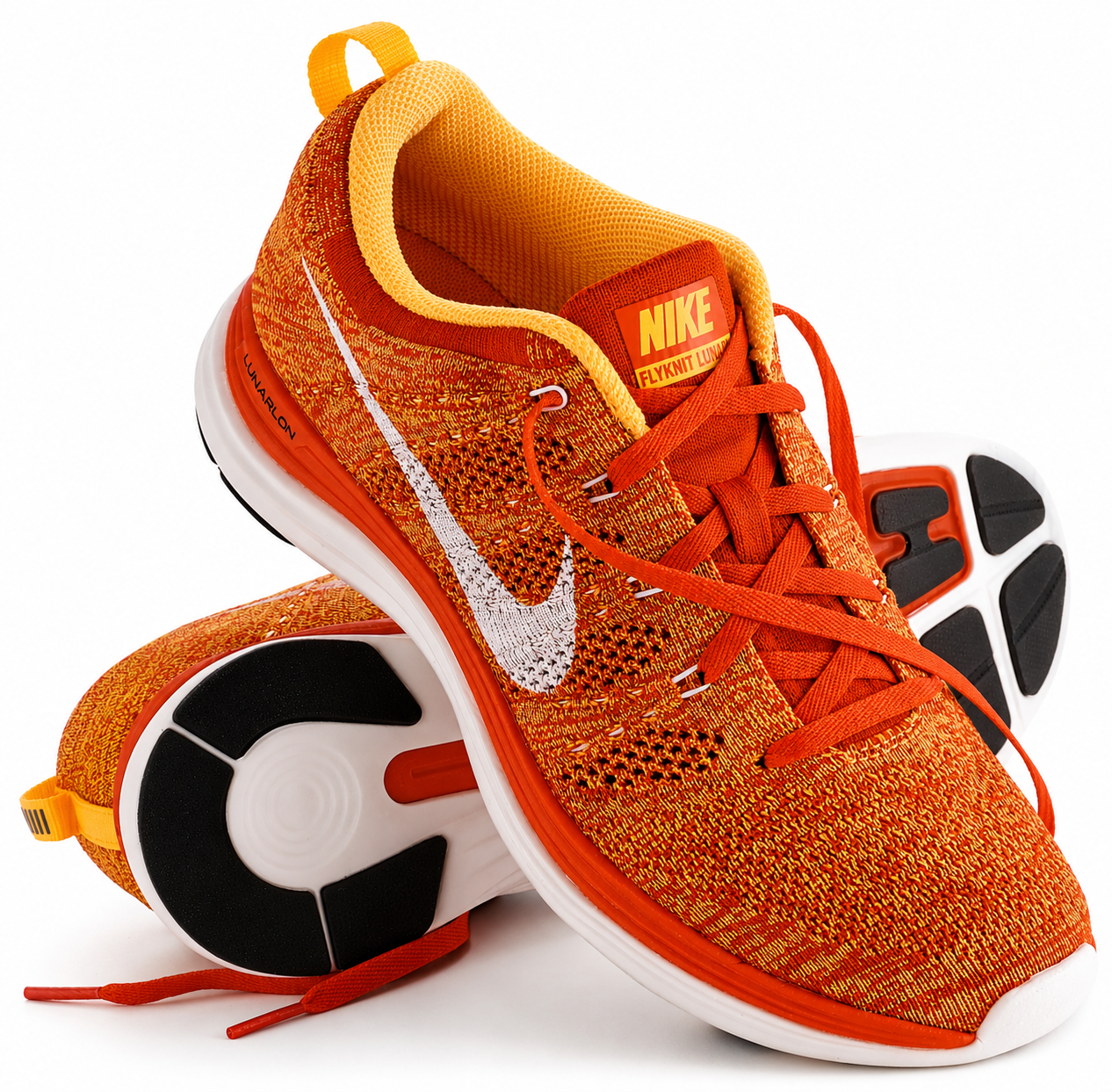
Knitted Polyethylene Terephthalate (PET) Nike running shoes_ In 2012, the Flyknit runner was launched, with its high-strength polyester fibre construction, making it 19% lighter than Nike’s previous leading running shoe, while also providing optimum support, flexibility, and breathability. Sourced from the Materials Sourcebook for Design Professionals_ P. 153
Modifying PET with glycol (PETG) reduces brittleness and premature aging. Polytrimethylene terephthalate (PTT) and polybutylene terephthalate (PBT) have better elastic recovery (up to 50%), which improves shape retention, in particular for body-hugging garments, but otherwise are similar to PET. Polyester film, stretched (orientated) during manufacturing, optimizes the mechanical properties by improving crystallization. PET made in this way is known as biaxial-oriented PET (BOPET) and is considered a speciality film and is used in vacuum packaging, metalized films, printed electronics (flexible displays and circuits), and laminated high-performance sails.
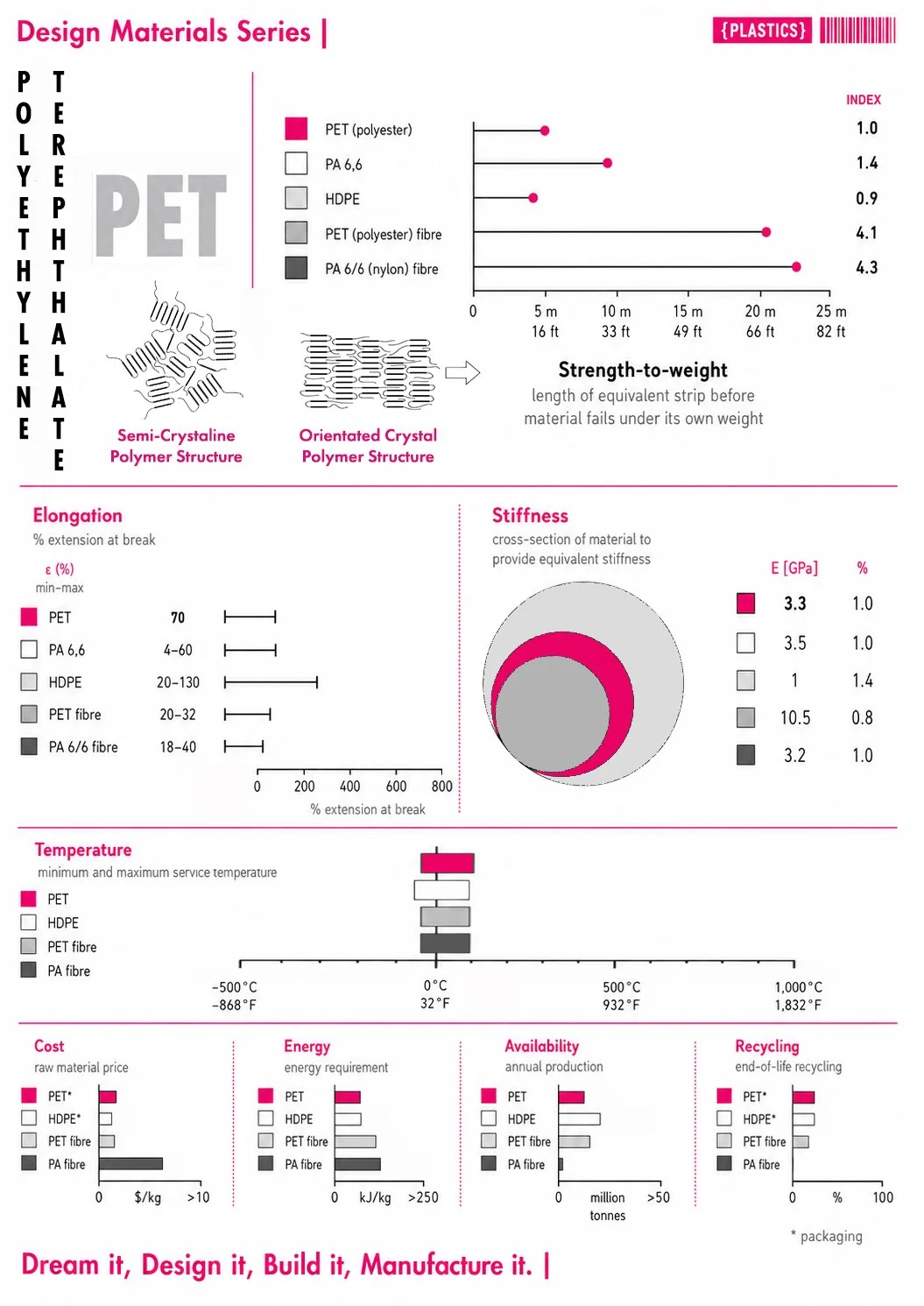
Polyethylene Terephthalate (PET) Datasheet_ Sourced from The Materials Sourcebook for Design Professionals P. 152_ Colours & Layout edited by Tomás Agnew
Polyester textiles are shaped with heat and pressure into three-dimensional structures. This technique is used to form a range of products from sound absorption panels to furniture and fashion items. The Pleats Please collection from Issey Miyake uses this technique to give a unique structure to his garments. Outdoor applications include lightweight tents, backpacks, and ropes (but not climbing ropes due to its low elongation under load). PET is also used in things like carpets, curtains, and upholstery, though its relatively low wear resistance and vulnerability to pilling mean that its use is avoided in high-traffic areas.
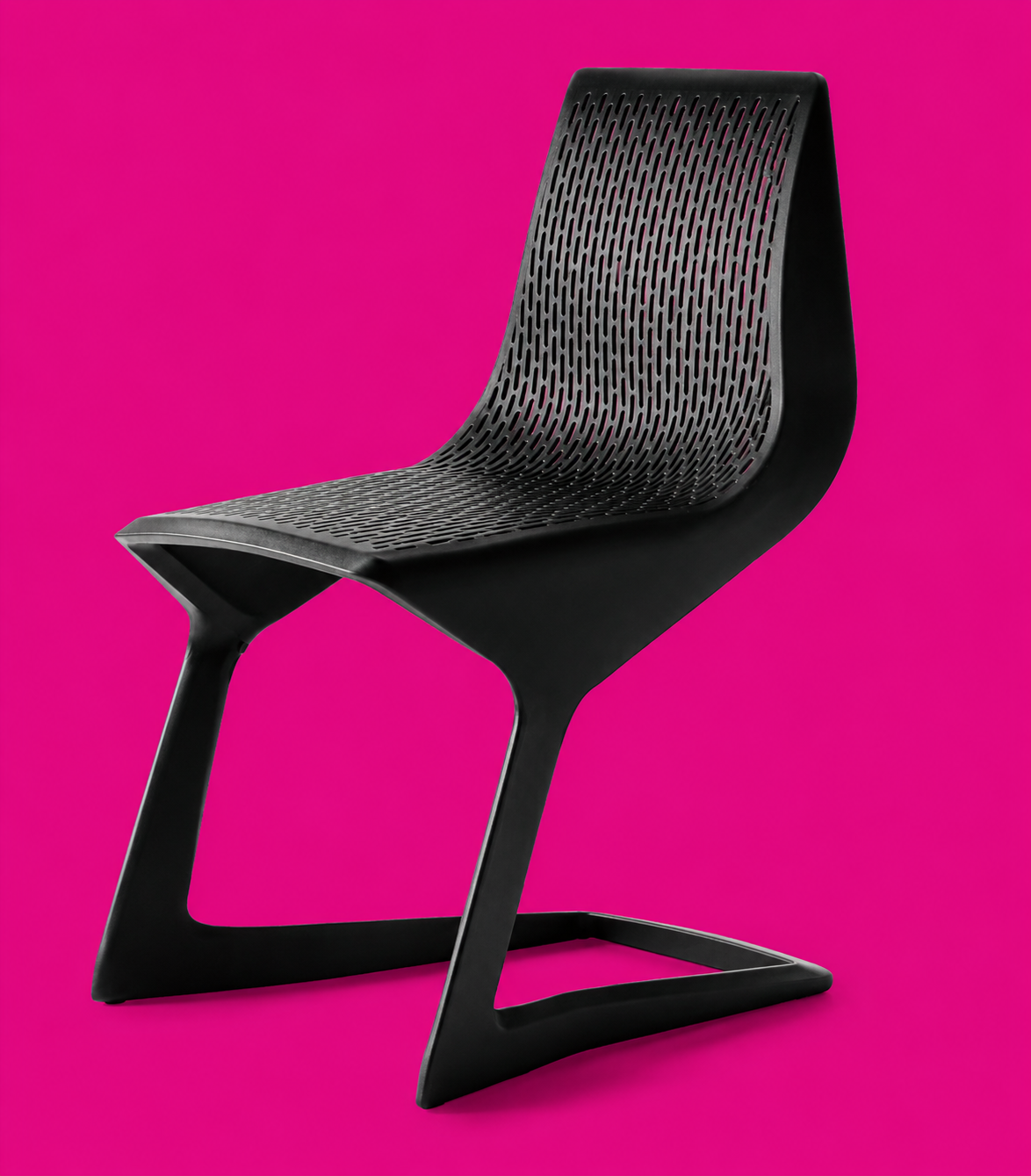
Costs per KG:
Manufacturing Level: bottle-grade PET resin: €1.97 /kg. PET (Polyethylene Terephthalate) price index
Initial Batch to Market Testing: 25kg bag of bottle-grade PET pellets: €8.55/k Pet Resin Price, 2026 Pet Resin Price Manufacturers & Suppliers
Prototyping Stage: 1kg 3D Printing filament spool: €90.99/kg CF Reinforced PET Filament | Bambu Lab EU Store
Sources / Further Reading:
Chris Lefteri, Materials for Design. P146-147 Link to book: Materials for Design - Chris Lefteri - 978178067344, Link to Chris Lefteri’s website, where you can find interesting articles and further research: CMF Industry-Leading Material Reports | Chris Lefteri Design — Chris Lefteri Design
Rob Thompson, The Materials Sourcebook for Design Professionals. P152-163 Link to book: The Materials Sourcebook for Design Professionals - Rob Thompson - 9780500518540
Plank website: MYTO chair | PLANK
KGID Website: Myto | Konstantin Grcic Design
BASF Website: BASF – Global Home
Issey Miyake Website: Pleats Please Collection: PLEATS PLEASE ISSEY MIYAKE – ISSEY MIYAKE EU
European Commission Website: Recycling collection targets: Ten EU countries exceeding SUPD collection targets - Environment
Businessanalytic IQ Website: Commodity PET Prices: PET (Polyethylene Terephthalate) price index
Made in China Website: Market Testing PET Prices: Pet Resin Price, 2026 Pet Resin Price Manufacturers & Suppliers
Bambu Store Website: PET Filament per KG Price: CF Reinforced PET Filament | Bambu Lab EU Store
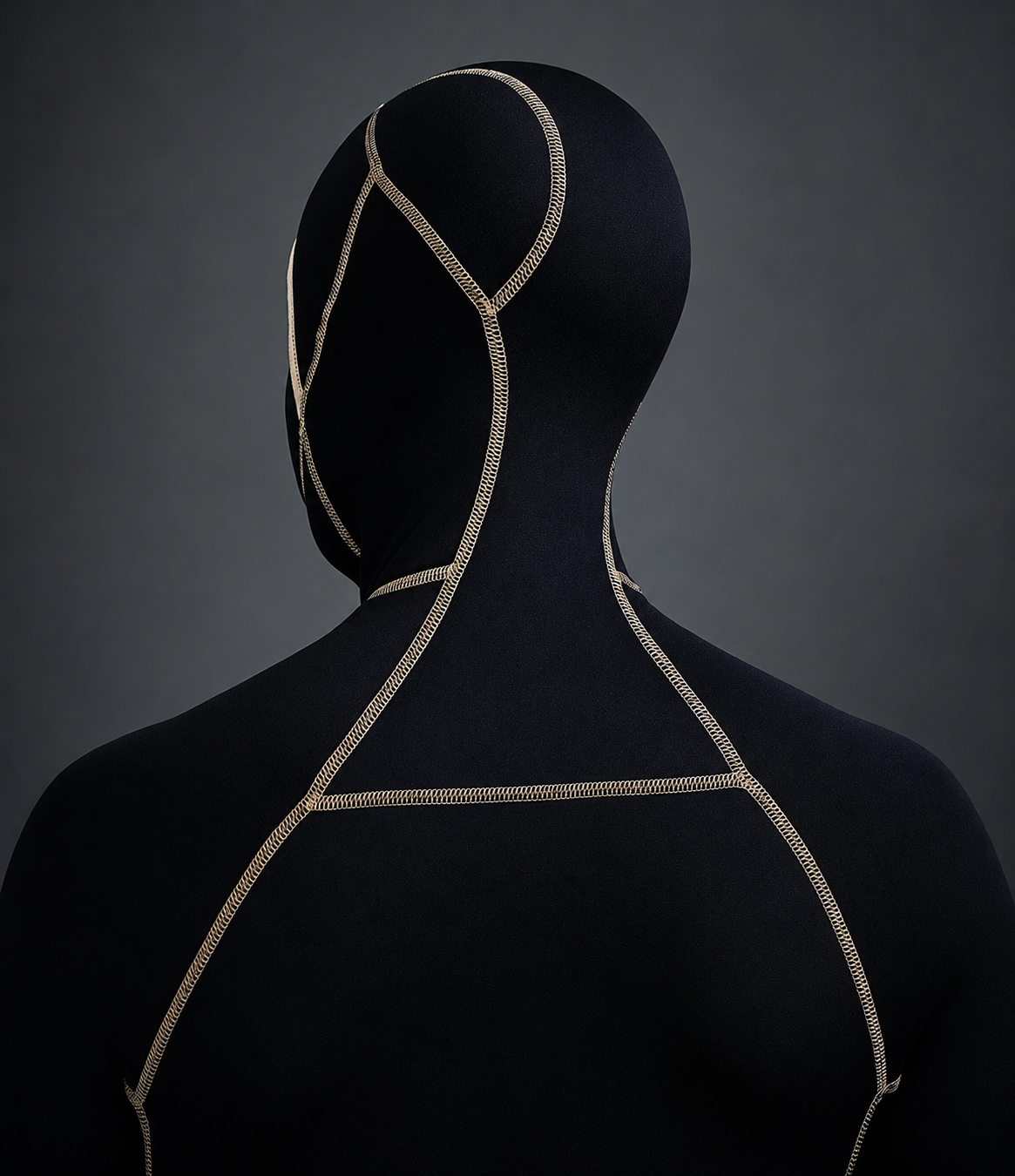
Knitted polyester blend fleece wetsuit_ is 53% PET, which provides excellent insulation; its shape retention helps trap a layer of air, while the PA (37%) is comfortable next to the skin and wicks moisture away; its body-hugging fit is enhanced with spandex (9%). Sourced from the Materials Sourcebook for Design Professionals_ P. 156
If you are weighing PET against PP, ABS, PC, rPET, PETG, or fibre-based alternatives, Team Human can help you choose the right route for your product. We help guide you in material selection, prototyping, product development, and manufacturing decisions from our studio based in Wicklow, Ireland. Contact Team Human at info@teamhuman.ie.
#TeamHuman #ProductDesign #IndustrialDesign #MaterialDesign #PET #PolyethyleneTerephthalate #Thermoplastic #Polyester #PackagingDesign #SustainableDesign #CircularDesign #RecycledPlastic #rPET #PETG #APET #CPET #MaterialResearch #CMFDesign #FurnitureDesign #TextileDesign #ProductDevelopment #Prototyping #DesignForRecycling #PackagingInnovation #MadeInIreland #Ireland #Wicklow