
Designing with Polyethylene (PE): Understanding one of the world’s most useful plastics
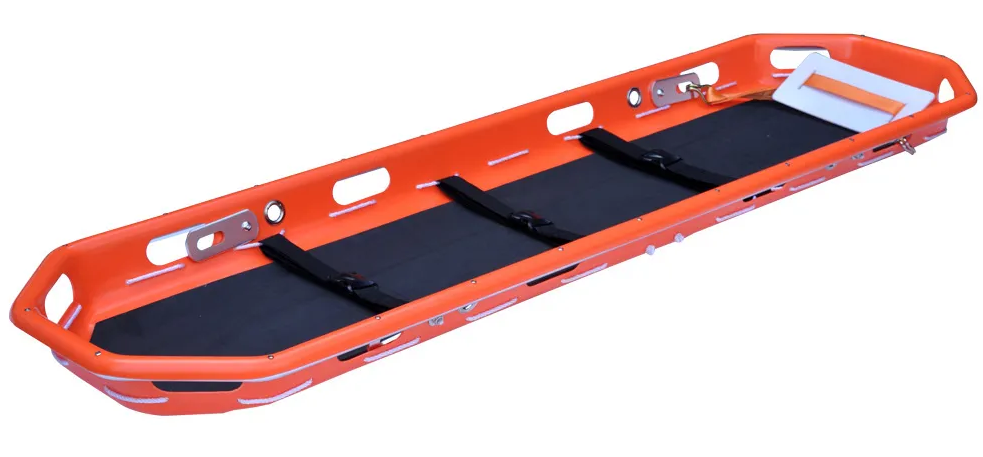
HDPE (High-Density-Polyethylene) Lightweight Basket Stretcher_ https://cnpuremedical.com
Polyethylene rarely gets the attention of more specialist materials, but it is one of the most useful plastics in product design. More importantly, it is not just one material, PE is a family of thermoplastics with a broad spread of properties, from soft and flexible to stiff and tough. PE is lightweight, low cost, water-resistant, chemically resistant, tough, and easy to process. It is also naturally translucent and has a slightly waxy, low-friction feel, which helps explain why it appears in so many everyday products.
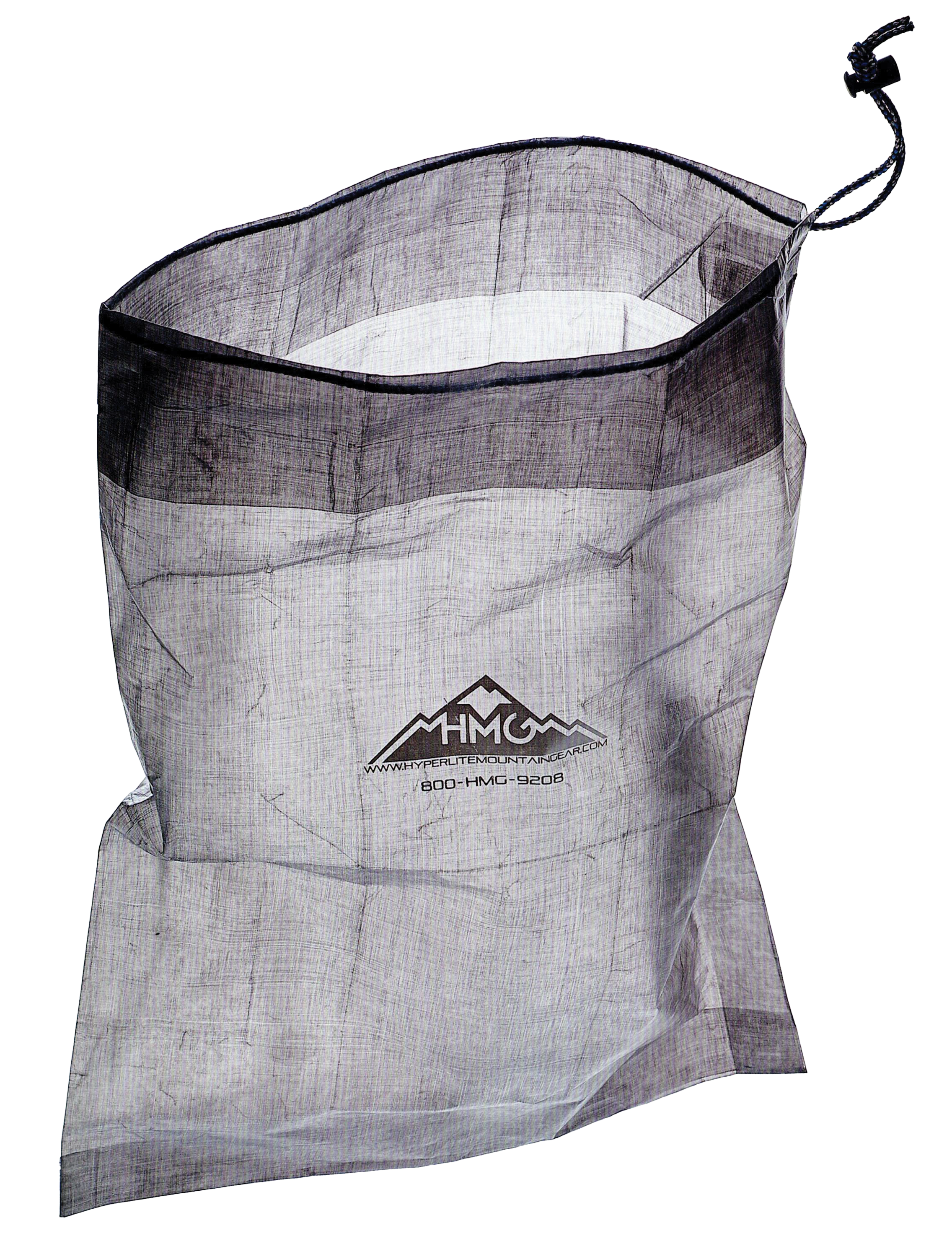
Laminated UHMWPE (Ultra-high-molecular-weight-polyethylene)Textile_ The Materials Sourcebook for Design Professionals_ P111
For designers, some of the most useful derivatives of Polyethylene are LDPE (Linear-low-density-polyethylene) and HDPE. LDPE is softer and more flexible, making it a strong fit for films, carrier bags, squeezable food-safe bottles or packaging and applications where tear resistance matters. HDPE is stiffer, stronger and more chemically resistant, so it is commonly used for rigid containers, household products, bottles, fuel tanks and more demanding packaging. Then there is UHMWPE, which pushes PE into much more technical territory thanks to its exceptional strength-to-weight ratio, toughness and abrasion resistance.
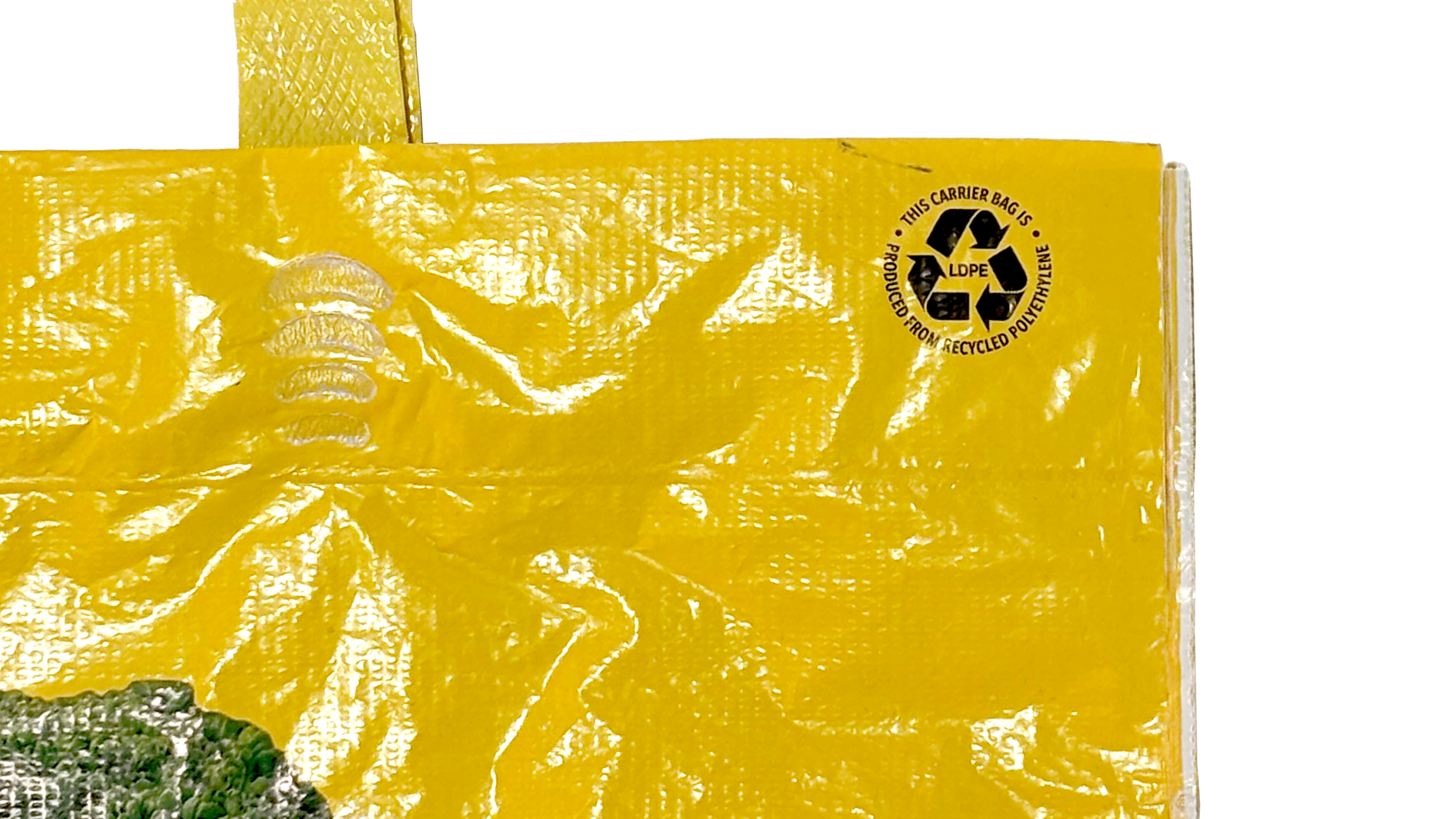
LDPE (Linear low-density polyethylene) long-life Aldi carrier bag
One reason PE is so widely used is that it works across multiple manufacturing processes. Blow moulding and rotational moulding are the major routes to production, while extrusion, film production, and injection moulding are also common, depending on the grade and application. Combined with our ability to manipulate its polymer structure through advances in material science and engineering, the versatility of PE means it can move easily from bottles and protective packaging into furniture, lighting, medical packaging, outdoor products, and even technical textiles that can be woven, knitted, spun-bonded, and tufted for a range of fashion and technical items.
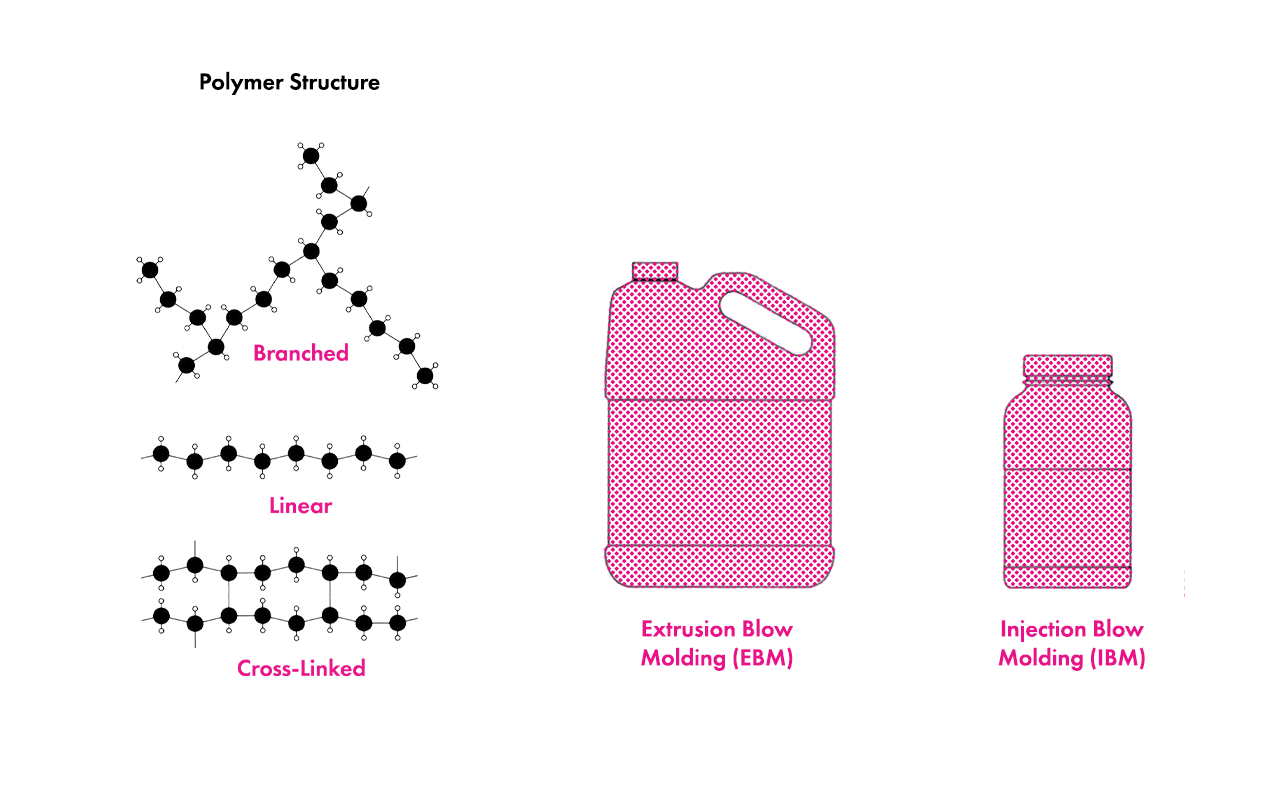
Polymer Structure of LDPE (Branched), HDPE (Linear) & XLPE (Cross-Linked). Manufacturing Technique Results of Extrusion (EBM) and Injection Blow Molding (IBM)
Like any material, it has limitations. PE is not readily biodegradable, and its waxy surface can make printing, painting and coating more difficult. Recycling is possible and well established for some grades, but it works best when material streams are kept clean and easy to separate. Even so, PE remains one of the most pragmatic choices in product design. It solves problems reliably, efficiently and at scale.
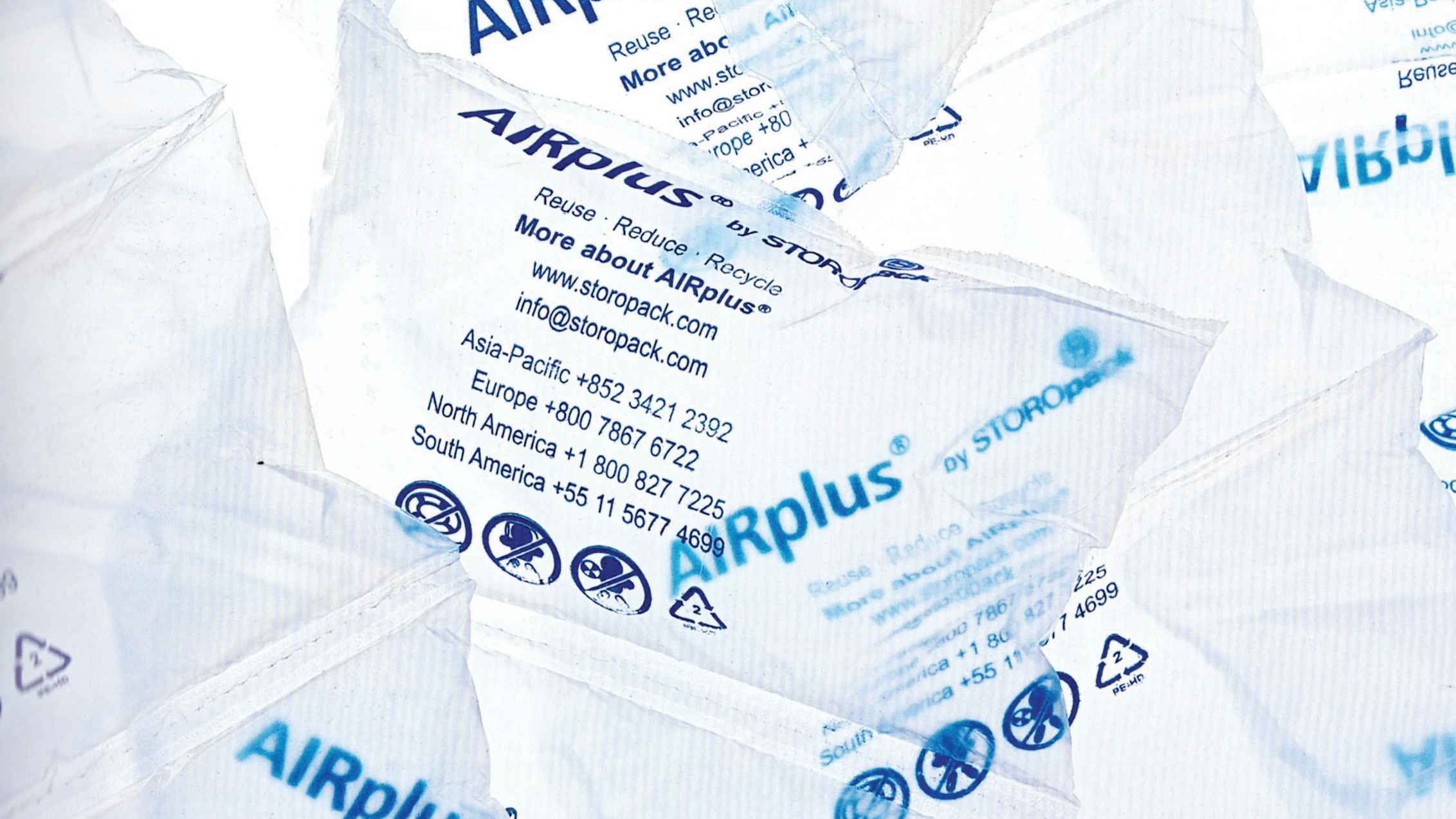
PE (Polyethylene) film Air-Filled Packaging_ The Materials Sourcebook for Design Professionals_ P113
Sources / Further Reading:
Chris Lefteri, Materials for Design. P144-145 Link to book: Materials for Design - Chris Lefteri - 978178067344, Link to Chris Lefteri’s website where you can find interesting articles and further research: CMF Industry-Leading Material Reports | Chris Lefteri Design — Chris Lefteri Design
Rob Thompson, The Materials Sourcebook for Design Professionals. P108-117 Link to book: The Materials Sourcebook for Design Professionals - Rob Thompson - 9780500518540
Linear PE_ HDPE (high-density polyethylene) Details_ https://www.britannica.com/science/high-density-polyethylene
Branched PE_ LDPE (Low-density polyethylene) Details_ https://onlinelibrary.wiley.com/doi/10.1002/mren.201200070
Controlled Branching PE_ LLDPE (linear low-density polyethylene) Details_ https://4spepublications.onlinelibrary.wiley.com/doi/10.1002/pen.23140
Cross-linked PE_ XLPE (Cross-Linked Polyethylene) Details_ Crosslinked Polyethylene (PEX) Pipe & Tubing Systems
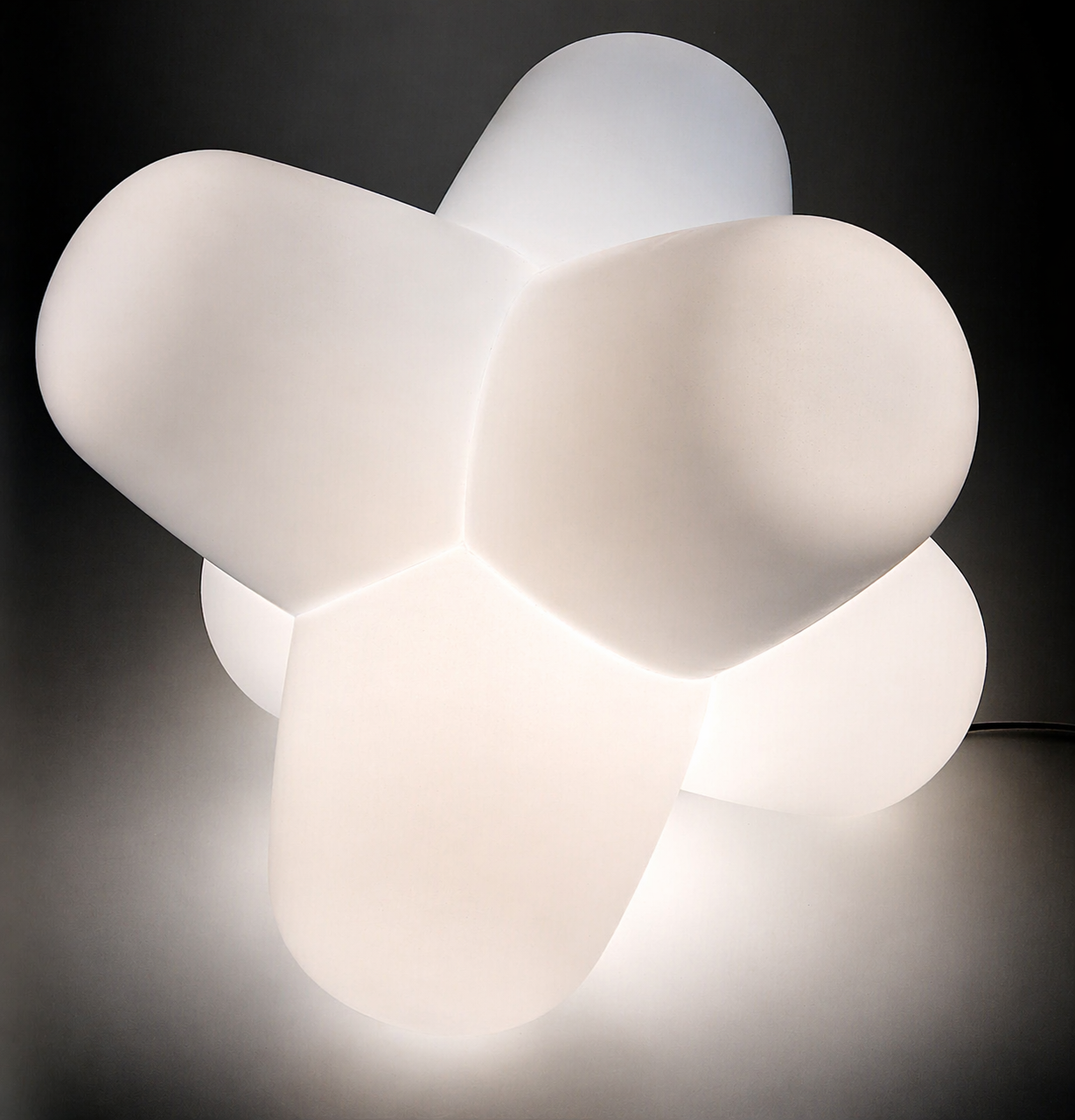
PE Rotation Molded-lighting_ British Designer Tom Dixon_ 1994_ The Materials Sourcebook for Design Professionals_ P115
Are you ready to explore materials for your next big design? Let Team Human be your partner in that journey of discovery. Contact us today at info@teamhuman.ie or visit our website www.teamhuman.ie to explore how we can help you.
Based in Wicklow, Ireland, Team Human is a leading product design and innovation consultancy. Our expertise spans industrial design, medical devices, and more. Join us on this exciting journey of innovation, and let's shape a better future together.
#TeamHuman #ProductDesign #Ireland #Dublin #Wicklow #IndustrialDesign #MedicalDevices #Innovation #DesignAgency #DesignThinking #3DPrint #Workshop #Prototype #RapidPrototyping #Design #IrishDesign #SketchModel #Startup #SupportLocal #Technology #Advancement #Realize #DesignerMaker #Product #PE #Materials #MaterialDesign #HDPE #LDPE #UHMWPE #XLPE #TechnicalTextiles #Packaging #Lighting #LowCostMaterials #Plastics #Dyneema #Spectra #Cuben