
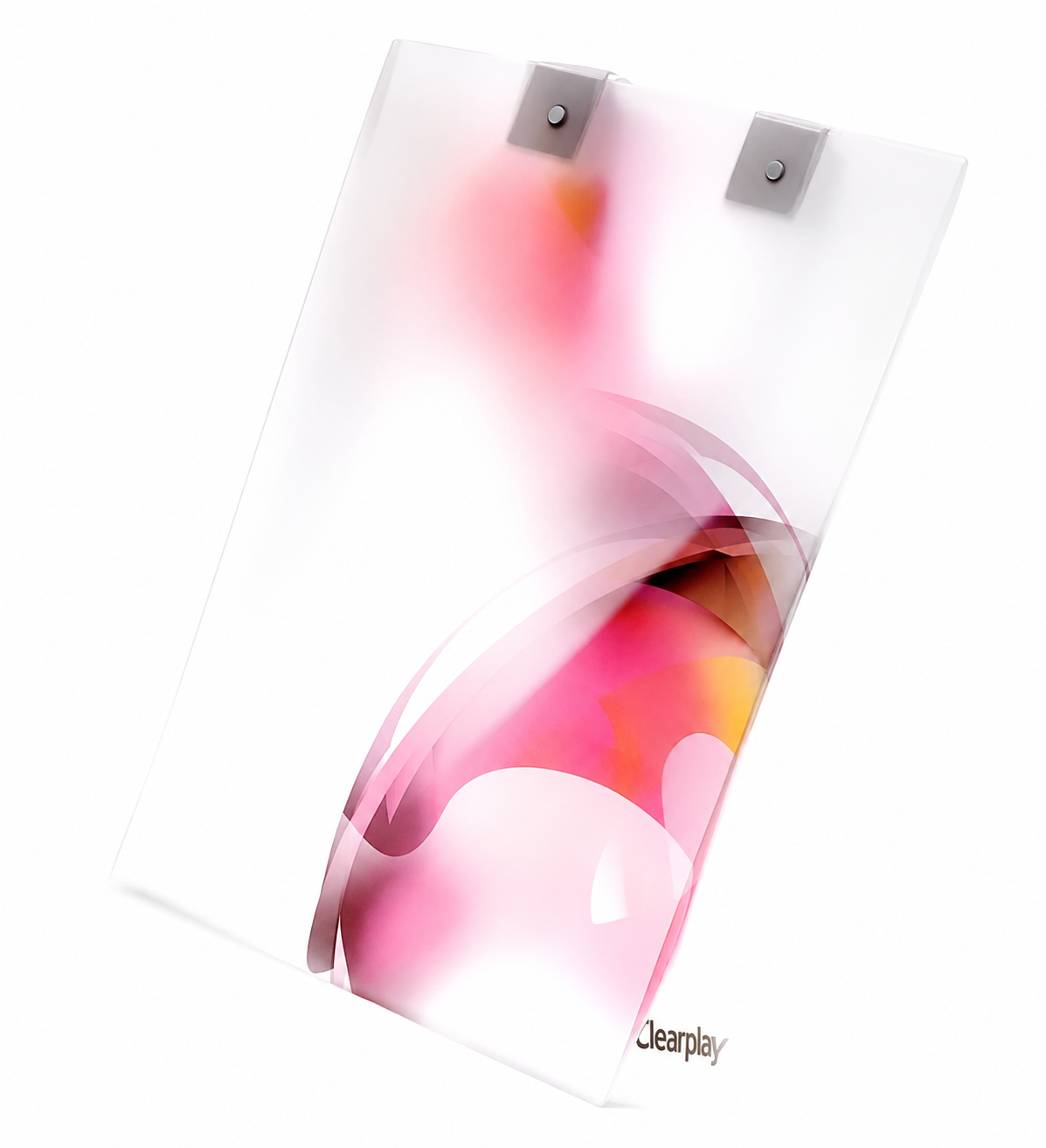
Printed Polypropylene (PP) Tote Bag_ Produced by Progress Packaging for graphic design company Roundel, this translucent PP bag is printed, cut out, folded, and heat-welded. Offset lithography was used for the printing. Sourced from The Materials Sourcebook for Design Professionals P. 99
Polypropylene solves a lot of product problems. You see it in bottle caps, crates, food containers, living hinges, appliance parts, automotive and medical components because it is light, tough, chemically resistant, and easy to process at scale.
PP is a thermoplastic polyolefin with a density of about 0.90 g/cm³, so it gives you a lot of part volume for relatively little weight. It also has strong fatigue resistance, which is why it is such a go-to material for repeat-flex parts like integral hinges and other components that need to bend without failing quickly.
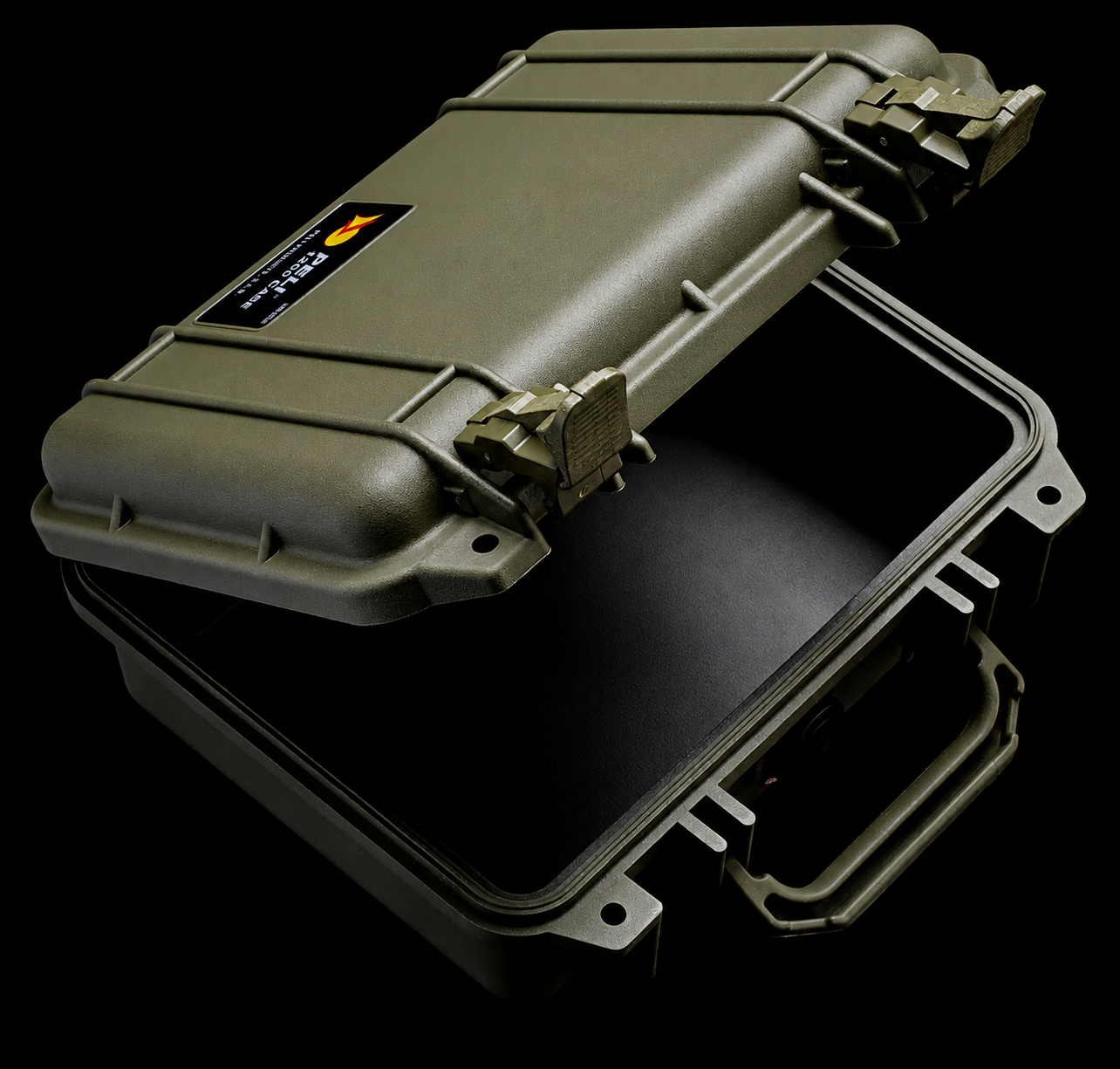
Polypropylene (PP)“Pelican Case”_ Is injection molded from a PP copolymer (PPC). It provides lightweight impact protection coupled with resistance to water and chemicals. Sourced from The Materials Sourcebook for Design Professionals P. 102
At Team Human, we think about context: what gets squeezed, dropped, washed, sterilised, clipped shut, exposed to chemicals, or left in sunlight. Then we weigh that against wall thickness, ribs, draft, shrinkage, assembly method, tooling cost, finish, and end-of-life.
In material selection, when a product needs low weight, moisture resistance, chemical resistance, repeated flexing, or cost-effective injection moulding, polypropylene deserves your attention. Homopolymer grades bring stiffness and heat resistance. Random copolymers can add clarity and gloss for tubs and packaging. Impact or block and heterophasic copolymers improve toughness, especially at lower temperatures.
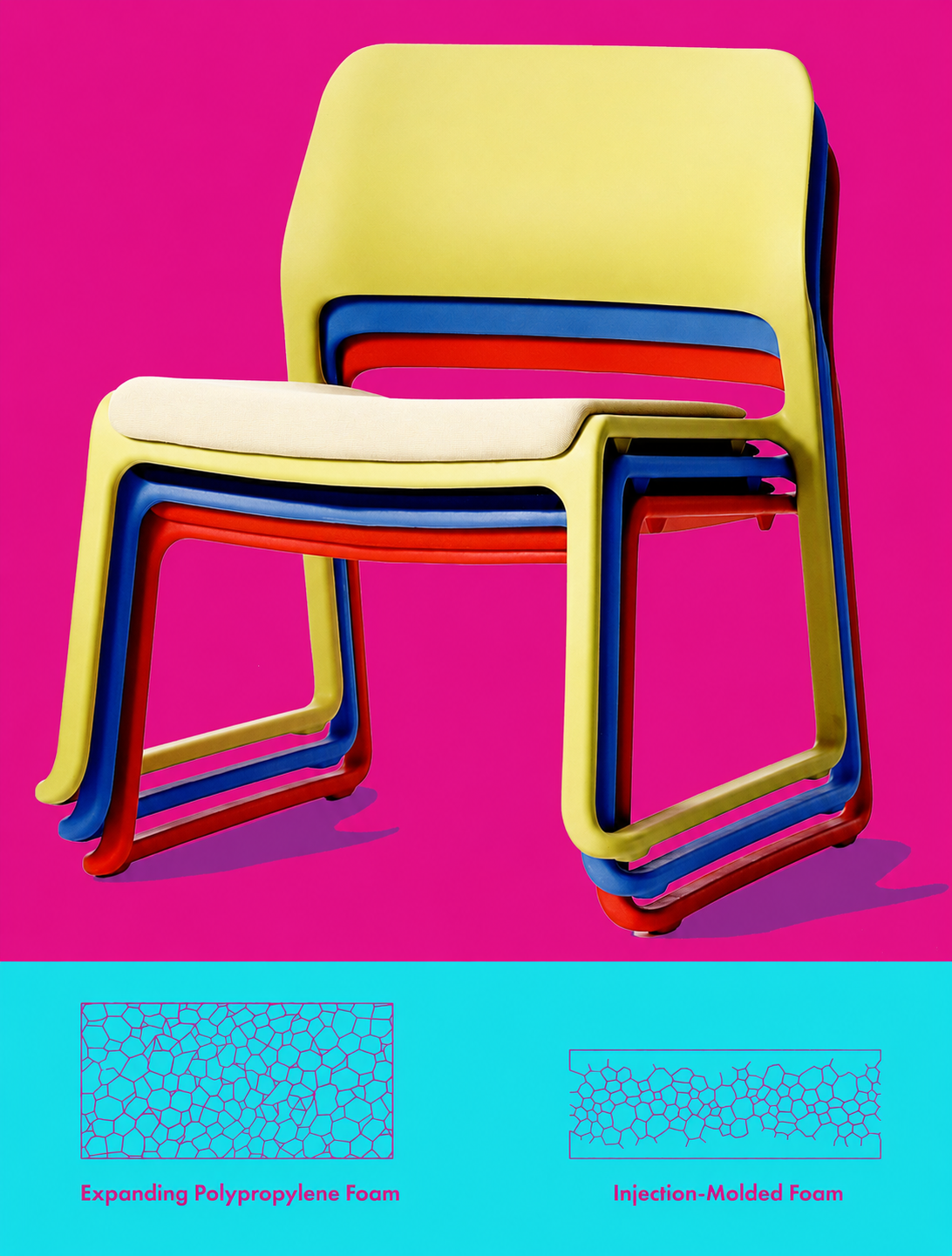
Don Chadwick_ Spark Series stackable molded foamed Glass-Filled Polypropylene (GFPP) chair_ The properties of foam molded PP depend on the manufacturing method. Expanded PP Foam is produced in a steam mold where small beads of PP plus additives are fused with heat & pressure. The resulting foam structure is more or less consistent throughout. Injection-molded foam consists of a core of foam surrounded by a much denser skin layer. This is the result of the polymer cooling at different rates. Sourced from The Materials Sourcebook for Design Professionals P. 100-101_ Colours & Layout edited by Tomás Agnew
There are also filled grades of polypropylene. Talc-filled PP increases rigidity and heat performance. Glass-filled and long-glass PP compounds enhance stiffness, creep performance, and dimensional stability in demanding parts, especially in automotive and appliance applications. Recycled PP is available for enclosures, crates, buckets, furniture, and housewares, but mechanically recycled grades are not considered for highly regulated food, water, medical, or pharmaceutical uses.
High-strength PP filament dominates the industrial sacking market, as seen in the Cafés do Brasil coffee sack. Whether molded, spun into a specialist fibre, a film, or a foam, it is converted into trays, containers, lids, packing tape, and caps. It is naturally frosted; however, its transparency can be enhanced with clarifying additives until it’s virtually water-clear.
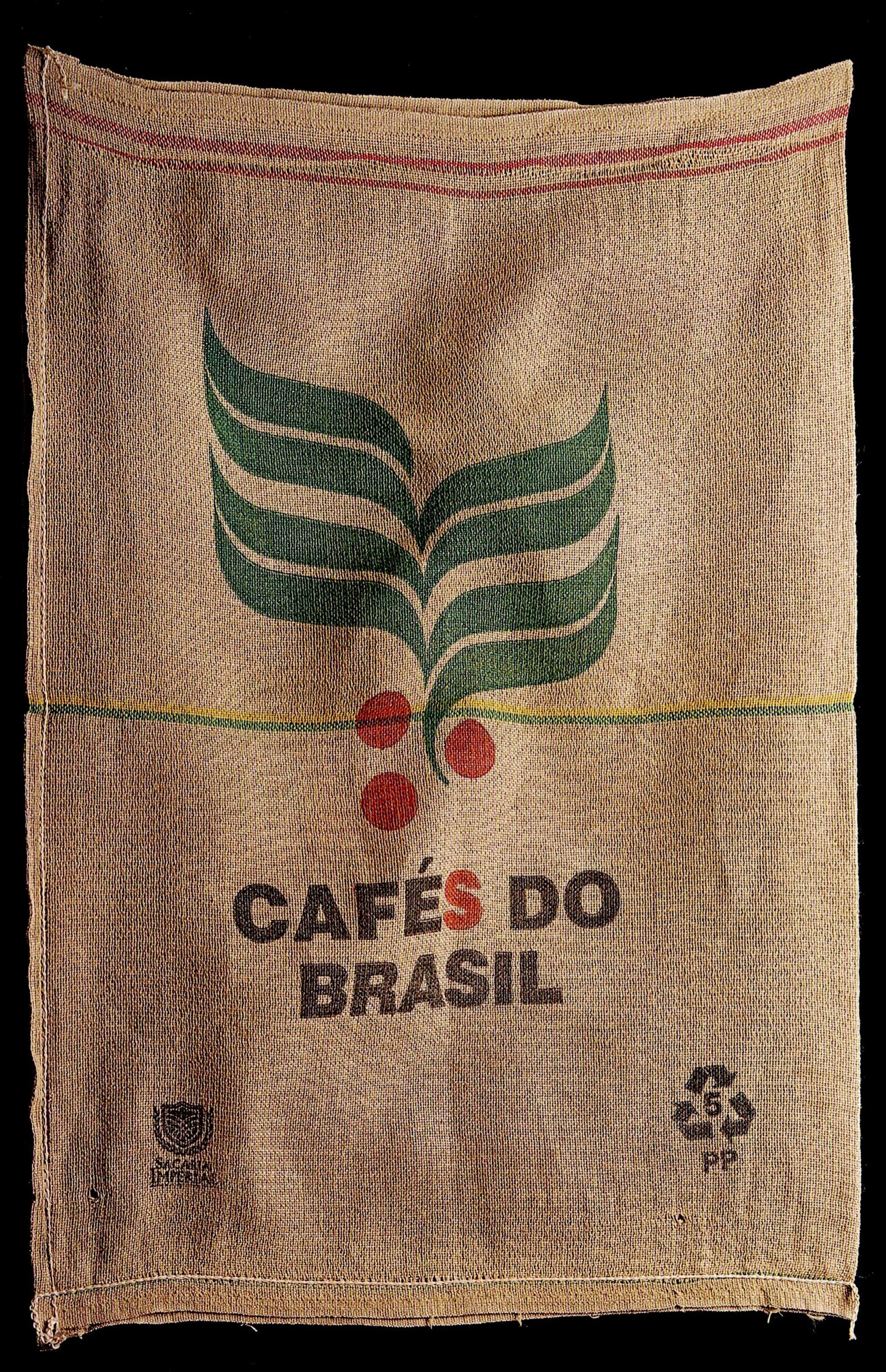
Cafés Do Brasil_ Polypropylene synthetic woven sack designed to imitate hessian, modified through spinning, the fibres are textured and cut into short staples, then spun together. Sourced from The Materials Sourcebook for Design Professionals P. 103
There are trade-offs. Standard PP has relatively poor UV resistance unless it is stabilised. It can also be awkward to glue, paint or print onto because its surface energy is low. Adhesives and inks may need flame, plasma, or corona treatment or specialist primers.
From a sustainability point of view, conventional PP is certified as a renewable, even though it is fossil-based. It is technically recyclable and often marked as PP / 5, but real recovery depends on local collection. If it misses an official recycling stream, it still takes 30 years to biodegrade (in ideal conditions).
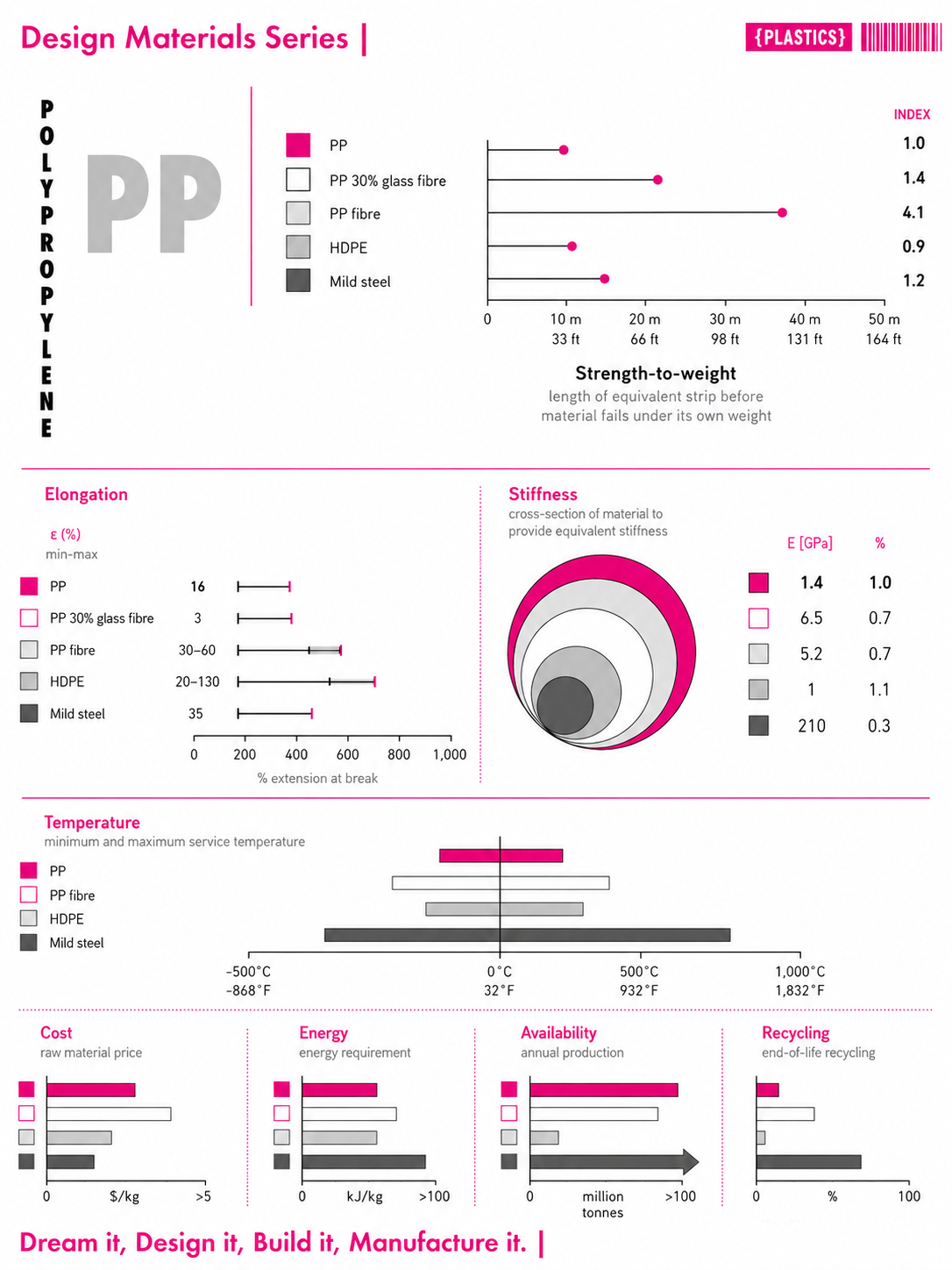
Polypropylene (PP) Datasheet_ Sourced from The Materials Sourcebook for Design Professionals P. 98_ Colours & Layout edited by Tomás Agnew
Costs per KG:
Manufacturing Level: Commodity Polypropylene Resin: €1.26/kg 39021000 - Polymers of… - EU Trade | The Trade Hub
Initial Batch to Market Testing: PP Sheets: €17.00 - €20.00/kg Polypropylene Sheet; Range of Sizes - Easy Composites
Prototyping Stage: 1kg 3D Printing filament spool: €34.00/kg Purefil PP Filament | plentyShop LTS
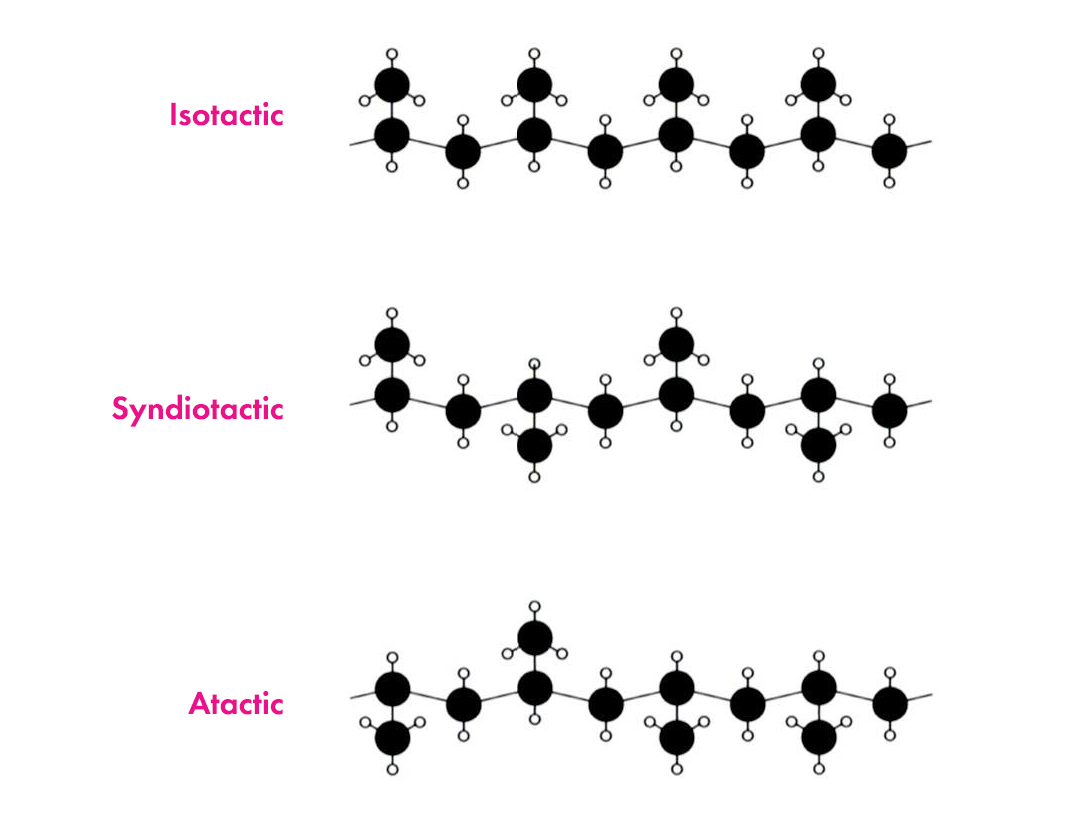
The Properties of polypropylene (PP) depend on the orientation and arrangement of the monomers within the polymer. PP forms one of three basic chain structures: Isotactic, syndiotactic or atactic. Stereoregular isotactic or syndiotactic chains twist into neat helices, which crystallize to form a rigid plastic. The random nature of atactic chains means the material doesn’t crystallize (it remains amorphous) and so yields a rubber-like plastic. Sourced from The Materials Sourcebook for Design Professionals P. 106_ Colours & Layout, edited by Tomás Agnew
Sources / Further Reading:
Chris Lefteri, Materials for Design. P150-151 Link to book: Materials for Design - Chris Lefteri - 978178067344, Link to Chris Lefteri’s website, where you can find interesting articles and further research: CMF Industry-Leading Material Reports | Chris Lefteri Design — Chris Lefteri Design
Rob Thompson, The Materials Sourcebook for Design Professionals. P98-107 Link to book: The Materials Sourcebook for Design Professionals - Rob Thompson - 9780500518540
Borealis, Soft Random Heterophasic PP Technical sheet_ ProductNews_SoftPP_SB330CF.pdf
Number Analytics, Block Copolymers 101: A Beginner's Guide
Pinnacle Polymers, Impact Copolymers | Pinnacle Polymers
LYC, Random Copolymers for PPR Pipes, Food Packaging & More | LCY
Machine Design, What’s the Difference Between Polypropylene Types? | Machine Design
Enercon Industries Corporation, Why do I need corona treating and how do corona treaters work?
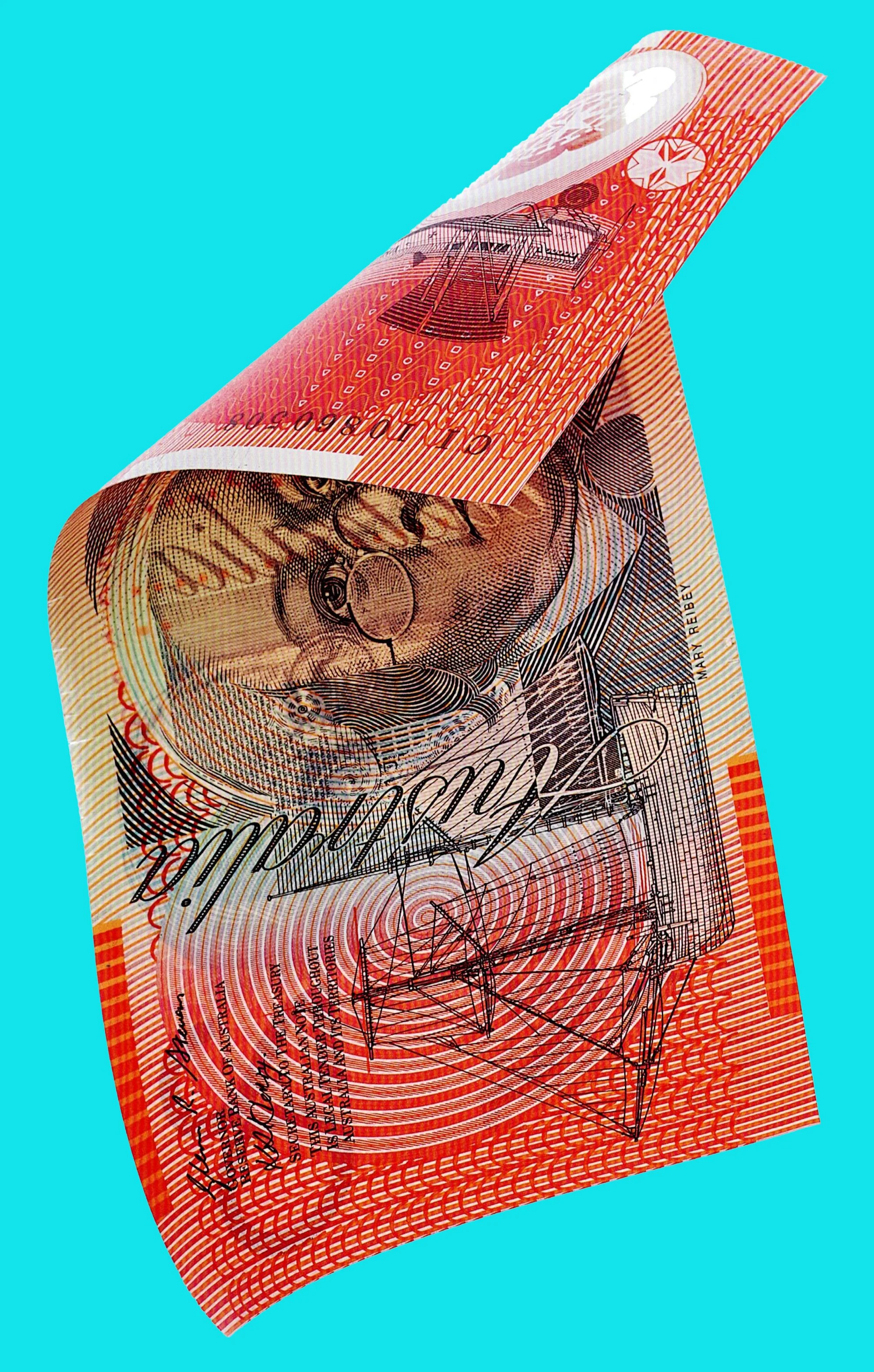
Bubble Process Polypropylene (BOPP) Polymer Bank Note. A tube of PP is extruded and inflated with air to cause bubble-like expansion, and the film is combined with opacifying layers and embedded security features before printing. The notes are cleaner and more durable than paper notes, therefore longer-lasting, and are recyclable at their end of life. Sourced from The Materials Sourcebook for Design Professionals P. 104-105_ edited by Tomás Agnew
If you are weighing up Polypropylene against ABS, HDPE, or a more engineering-led plastic, Team Human can help you benchmark the options, prototype the right details, and turn early material decisions into confident product concepts. Contact us today at info@teamhuman.ie or visit our website www.teamhuman.ie to explore how we can help you.
Based in Wicklow, Ireland, Team Human is a leading product design and innovation consultancy. Our expertise spans industrial design, medical devices, and more. Join us on this exciting journey of innovation, and let's shape a better future together.
#TeamHuman #ProductDesign #Ireland #Dublin #Wicklow #IndustrialDesign #MedicalDevices #Innovation #DesignAgency #DesignThinking #3DPrint #Workshop #Prototype #RapidPrototyping #Design #IrishDesign #SketchModel #Startup #SupportLocal #Technology #Advancement #Realize #DesignerMaker #Product #PC #Materials #MaterialDesign #PP #Thermoplastic #Lighting #AutomotiveDesign #Plastics #TransparentPlastics