
Concept Validation: Intelligent Testing Before Major Investing.

User Experience Feedback_ Using rough prototypes, different kneeling seat angles and heights are tested for ergonomic suitability.
A promising product idea is not the same thing as a validated one.
Concept validation is the stage where an early product direction is tested before serious investment is made in detailed design, tooling, software development, manufacture, or launch. In practice, it sits between early exploration and committed delivery: define the problem properly, generate concepts, then test them at small scale before moving forward. Human-centred design principles place testing and refinement at the heart of the design process.
Concept validation is about replacing assumptions with evidence. We are asking whether it solves a real need, is understandable and usable, can be built with the right materials or technology, can be manufactured or delivered realistically, and makes commercial sense. Design thinking literature often frames those checks through desirability, feasibility, and viability, while lean practices frame them as rapid learning loops.
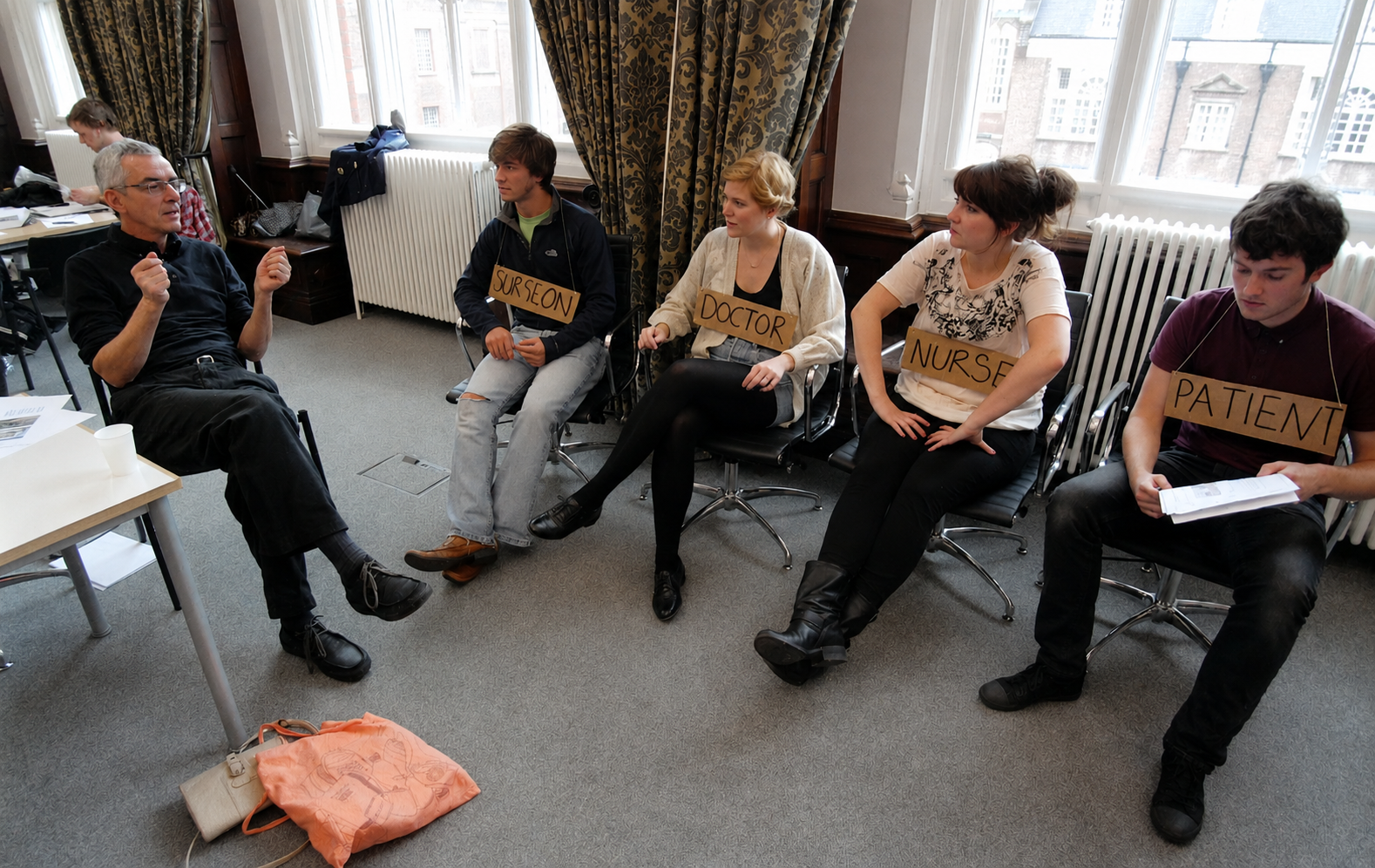
Role-playing Focus group_ on the topic of ‘medical care.’ A form of group interview that uses communication between participants to generate information. Sourced from Milton, A. & Rodgers, P. Research Methods for Product Design, P. 70
These learning loops should be relatively simple and inexpensive to implement. User interviews, questionnaires, cultural probes, bodystorming, role-playing focus groups, paper prototypes, clickable wireframes, usability tests, competitor benchmarking, stakeholder workshops, and expert reviews all help teams learn something specific before major investment.
For physical products, validation usually means making the idea tangible, rough models and functional prototypes help teams check size, feel, weight, ergonomics, materials, finishes, tolerances, assembly, and manufacturability before committing to expensive tooling.
For digital products, the same logic applies through wireframes and clickable prototypes that test flows, navigation, interface clarity, onboarding, and accessibility before code is deeply embedded. Barriers are cheaper to fix when they are found early.
To gauge demand, smoke tests such as landing pages or cold-calling businesses within your user market group to see if they are interested in the idea before anything has been built can also be useful. The important part is not volume of activity; it is being clear about what assumption each test is meant to challenge.
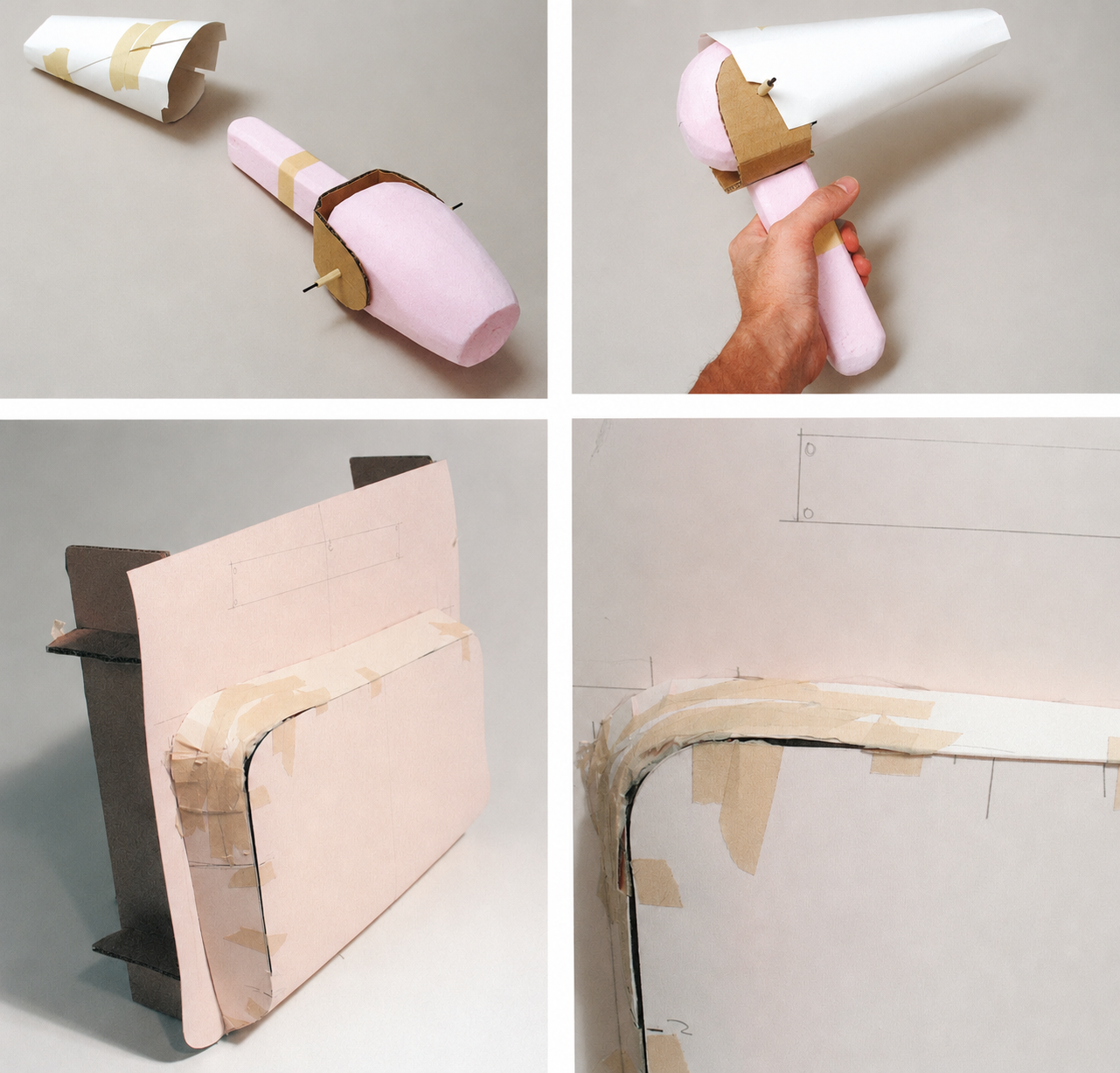
Quick-and-Dirty Prototyping_ (Above) Folding hairdryer made of foam, cardboard and paper, (Below) laptop bag made of cardboard, tape and pencil marks. Sourced: Milton, A. & Rodgers, P. Research Methods for Product Design, P. 119
Good validation is there to expose weak assumptions, surface friction, and show which parts of a concept deserve more time. The strongest concepts usually emerge through iteration: simplify what is unclear, keep what users respond well to, remove what adds cost without value, and retest. That is how teams reduce risk and build confidence before heavier investment.
A good tool for ensuring this happens is a Product Design Specification (PDS). A PDS will usually be drawn up between the stakeholders and the designer, so the parameters of the project are clearly outlined. Some of the key points that could be considered in a PDS: performance, environment, life in service, maintenance, target product cost, competition, packing, shipping / transport, quality, manufacturing facility, size, weight, aesthetics, materials, product life span, standards / specifications, ergonomics, customer, quality & reliability, processes, timescale, testing, safety, company constraints, market constraints, patents, political / social implications, legal considerations, installation, documentations and disposal.
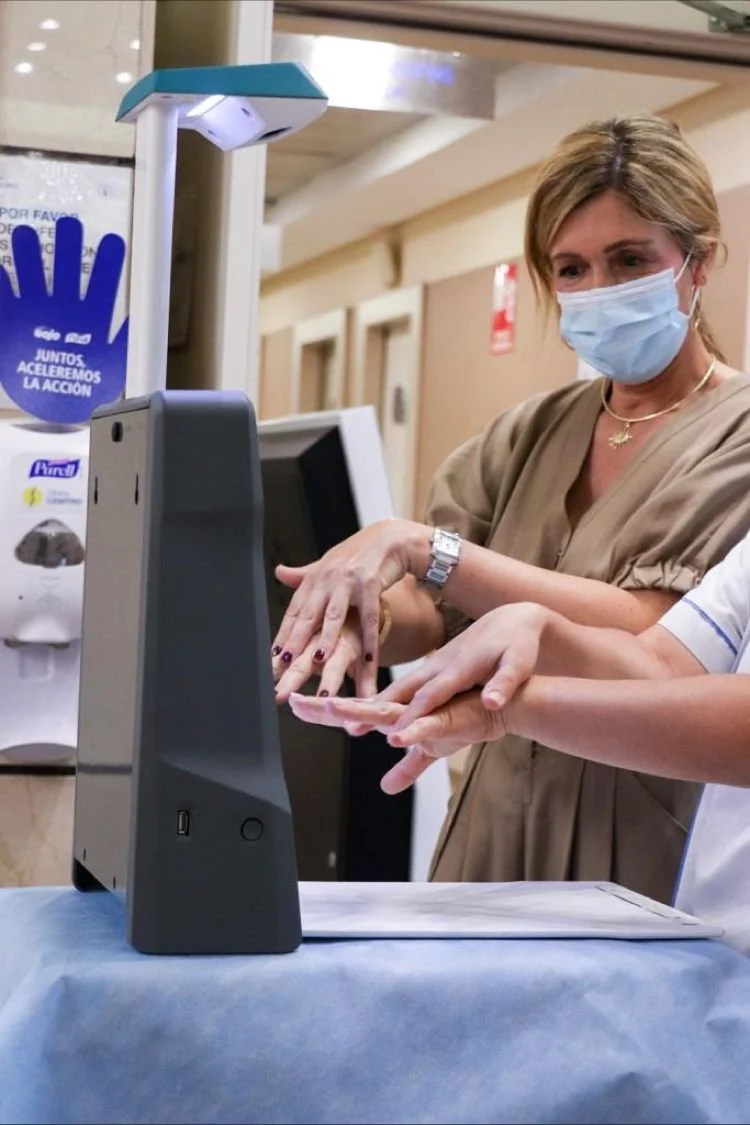
Expert Review_ Validating Surewash’s handwash station with nurses & Doctors at St. James Hospital, Dublin, to make sure there was a need within the end user market.
Sources / Further Reading:
Nielsen Norman Group — Usability Testing 101, on observing people using a design to uncover problems, opportunities, behaviour, and preferences.
Stanford d.school — Design Thinking Bootleg, Useful downloadable resource: Design Thinking Card Set
W3C WAI — Accessibility, Usability, and Inclusion, Standards for accessibility, usability & inclusion on the internet
Formlabs — Validation Testing in Product Development, Useful case-study resource on using physical prototypes to assess ergonomics, assembly, materials, finishes, and stage-gated product validation before production.
Milton, A. & Rodgers, P. Research Methods for Product Design, Link to Perlego a subscription service for educational books: Perlego
If you need help with Concept Validation, stress-testing a product idea before you commit to detailed design, tooling, development, or manufacture, Team Human can help you research, prototype, validate, and refine the concept with real evidence. Get in touch to start validating your idea. Contact us today at info@teamhuman.ie or visit our website www.teamhuman.ie to explore how we can help you.
Based in Wicklow, Ireland, Team Human is a leading product design and innovation consultancy. Our expertise spans industrial design, medical devices, and more. Join us on this exciting journey of innovation, and let's shape a better future together.
#ProductDesign #ConceptGeneration #IndustrialDesign #UXDesign #DesignThinking #HumanCentredDesign #ProductDevelopment #Prototyping #Innovation #TeamHuman #Wicklow #Ireland #Dublin #IrishDesign #ConceptValidation #Testing