
Human Factors Studies: Psychology & Ergonomics Applied
Human Factors Studies are a structured way of understanding how people think, behave, move, and make decisions when interacting with a product. A thorough study will sit at the intersection of ergonomics, psychology, industrial design, and usability.
The goal of a human factors study is to reduce friction, reduce error, and design products that work as naturally as possible with human behaviour. Good design makes things understandable, using clear affordances, visible feedback, sensible constraints, and systems that prevent errors before they happen.
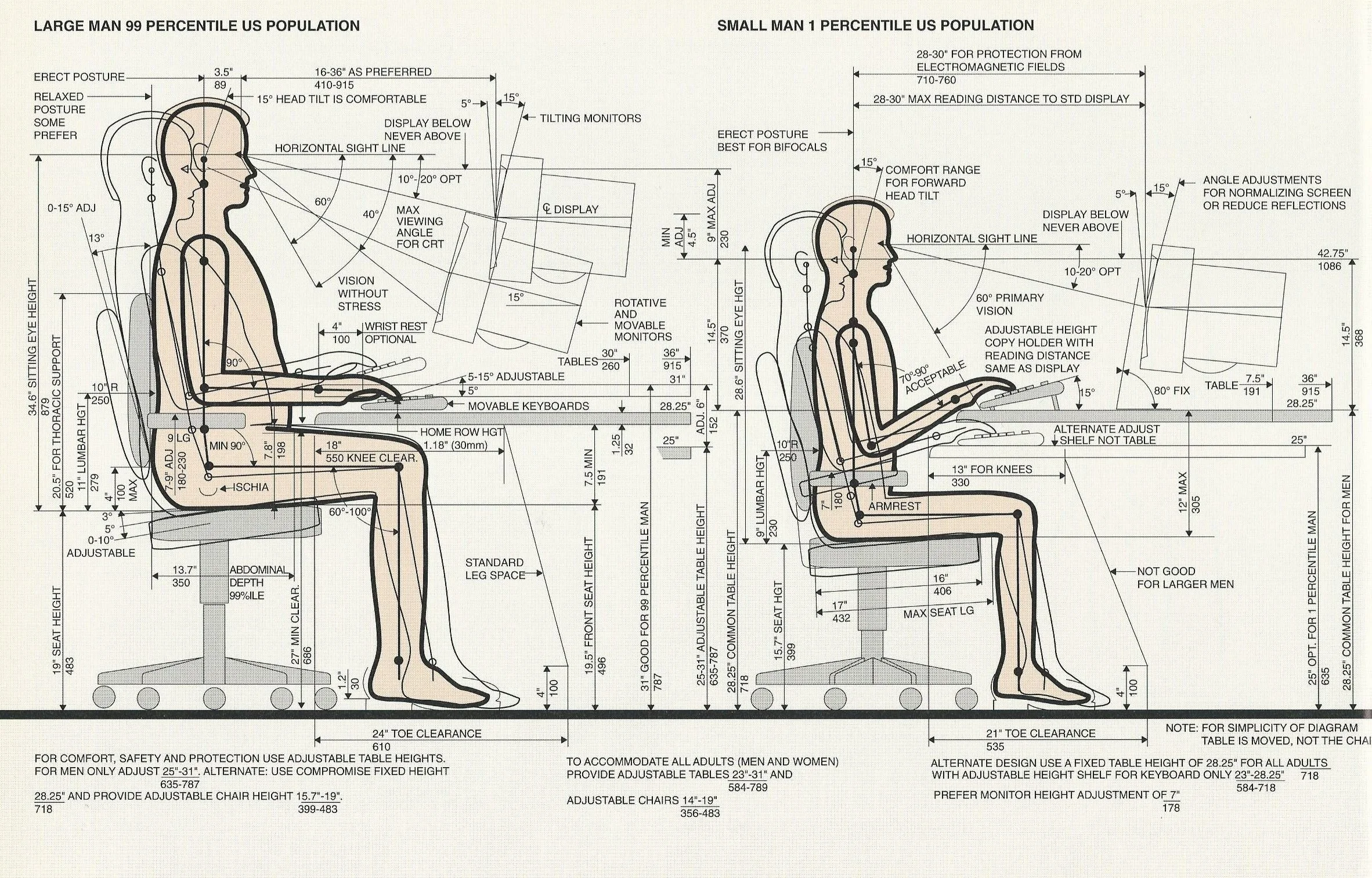
Tilley, A. R. & Henry Dreyfuss Associates. The Measure of Man and Woman: Human Factors in Design. Whitney Library of Design, 1993.
Very few people actually read the manual. We think we should be able to figure it out, we rely on cues, patterns, and instinct. We sometimes must operate under time pressure, we can also get distracted and make mistakes. Human Factors Studies help us anticipate this. Instead of designing for ideal behaviour, we design for probable behaviour.
In industries like medical care, piloting and any business where human error can massively affect the intended result, these studies reduce usability issues, safety risks, support costs of important safety equipment, and expensive redesigns later in development. For start-ups and product teams, Human Factors studies reduce risk and, replaces assumptions with evidence.
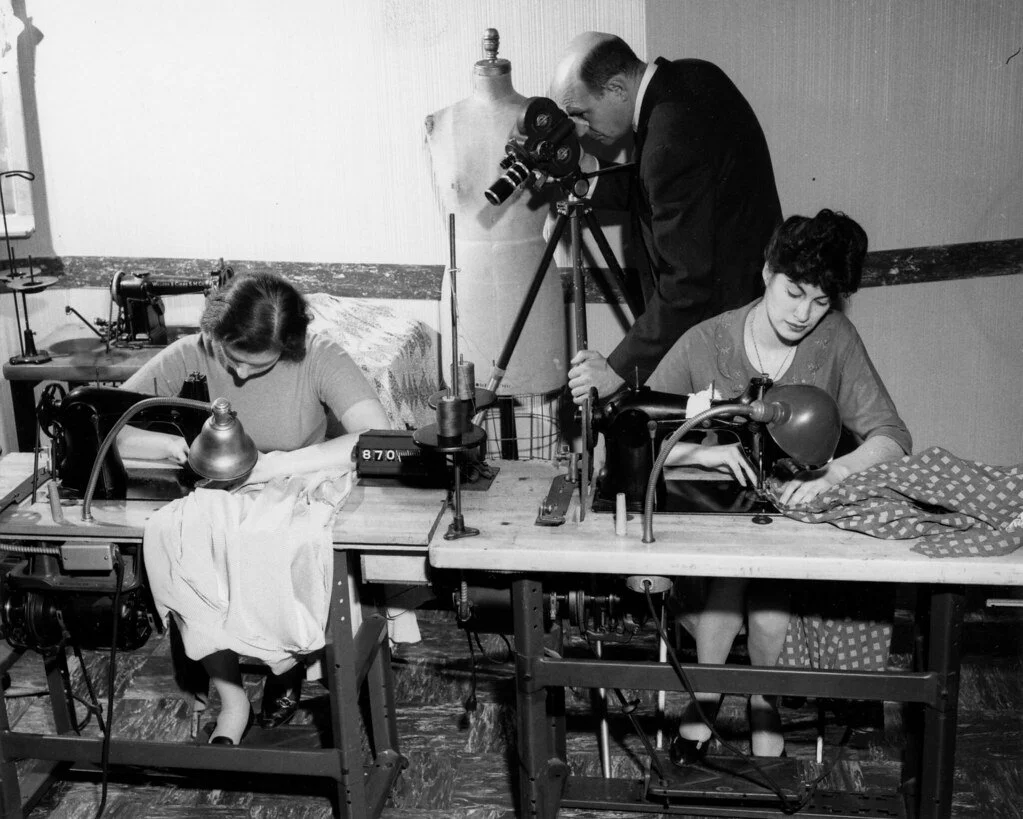
A Time-Motion Study is a business technique that combines the time-study work of Fredrick Taylor and the motion-study work of Frank and Lillian Gilbreth. A Time-study is a direct and continuous observation of a task, using a timekeeping device to record the time taken to accomplish a task. While a Motion-study is a method based upon the analysis of “work motions,” which involved filming the details of a worker’s activities and their body posture while recording the time, to see where improvements can be made.
Typically human factors thinking should begin early during concept development and early prototyping stages. However it should continue and be re-examined during:
Physical prototype testing
Interface design
Pre-production validation
Regulatory preparation (Especially relevant for digital products)
Mini human factor studies should be embedded throughout the design process.
Human Factors Studies look at:
Usability and clarity
Physical ergonomics
Cognitive effort
Accessibility and inclusivity
Environmental conditions (light, noise, stress, movement)
Safety and risk
These factors shape everything from button placement to interface hierarchy.
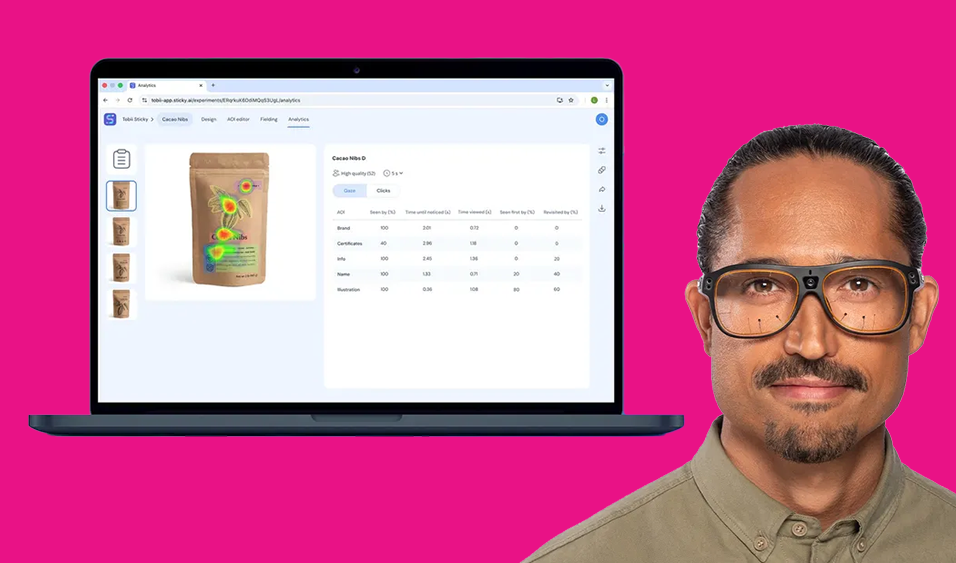
Tobii Pro Glasses 3_ Advanced wearable eye tracker built for research that involves eye tracking. Previously this was limited to computer screens and displays now we can apply this type of research to physical real-world environments
Human Factors Study Process:
Define the context of use
Who is using the product? In what environment? Under what constraints?Study real behaviours
Observation, interviews, task analysis, and usability testing help us understand how people actually interact. In interviews, people will say how they will act, but self-perception doesn’t always match the facts of reality.Analyse physical interaction
Grip, reach, posture, force, visibility, tactile feedback, and accessibility across different body types and abilities.Examine cognitive load
How much thinking is required? Are decisions clear? Is feedback immediate and meaningful?Identify error pathways
Where might mistakes occur? Can the design prevent them or make recovery easy?Iterate and validate
Test prototypes, gather evidence, and refine and test again until you are happy all issues have been identified and addressed.
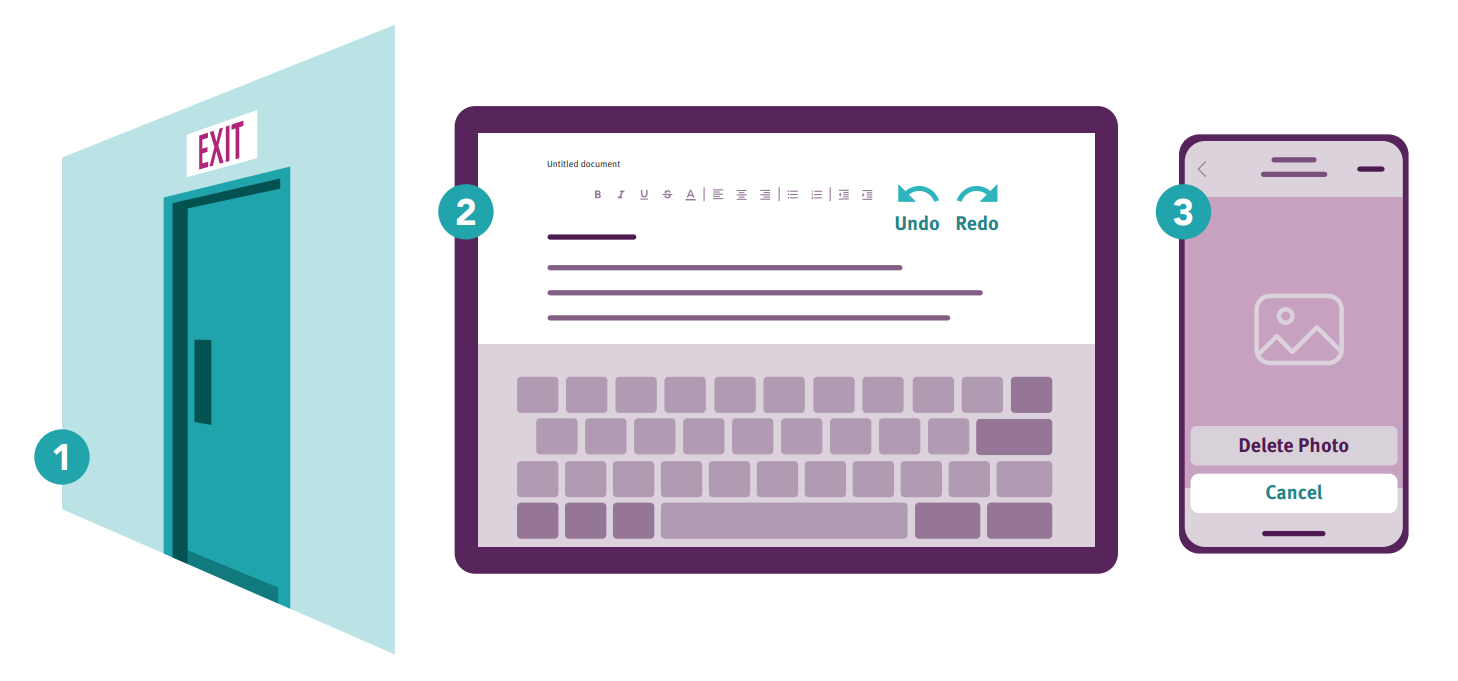
Jakob Neilsen’s 3rd Heuristic_ User Control & Freedom_ Users often perform actions by mistake. 1) Exit Sign: Digital spaces need quick “emergency” exits just like physical spaces do. 2) Undo & Redo: These functions give users freedom because they don’t worry about their actions, as everything is easily reversible. 3) Cancel Button: Users shouldn’t have to commit to a process once it's started, they should be able to easily cancel and abandon.
Insights from human factors directly inform design decisions. We may simplify workflows. change proportions, add constraints, improve feedback signals, remove unnecessary features, reconfigure interfaces.
The outcome should be a product that feels intuitive. It should aid people in achieving their goals. For clients, a comprehensive study will mean fewer surprises in development, stronger usability evidence, and more confident decision-making. For users, it means products that simply work.
Sources / Further Reading:
Nielsen Norman Group - The Definition of User Experience (UX),on how the users’ experience encompasses all aspects of the end-user's interaction with the company, its services, and its products.
Norman, D. (2013) . The Design of Everyday ThingsBasic Books. Ergonomics of human-system interaction. Human-centred design for interactive systems. International Organization for Standardization.
10 Usability Heuristics for User Interface Design - NN/G, Useful design resource on 10 Usability Heuristics for User Interface Design.
Tilley, A. R. & Dreyfuss, H. (1993).The Measure of Man and Woman: Human Factors in Design. Ergonomics of the Human Body.
Time-motion study Image for Time-Motion Study.
Do you have a product, prototype, service, or digital experience that you want to develop in a way that it’s usability becomes intuitive and instinctive? Team Human can help you understand your users’ behaviour, test assumptions, and use those insights to design clear, useful experiences, systems and designed objects. Get in touch to explore how thorough Human Factors Studies can help support better product decisions.
Contact us today at info@teamhuman.ie or visit our website www.teamhuman.ie to explore how we can help you.
Based in Wicklow, Ireland, Team Human is a leading product design and innovation consultancy. Our expertise spans industrial design, medical devices, and more. Join us on this exciting journey of innovation, and let's shape a better future together.
#ProductDesign #HumanFactorsStudy #UXDesign #UIDesign #HumanCentredDesign #UserResearch #UsabilityTesting #DesignThinking #ProductDevelopment #Prototyping #IndustrialDesign #ServiceDesign #TeamHuman #IrishDesign