
Aluminium: Lightweight & Versatile
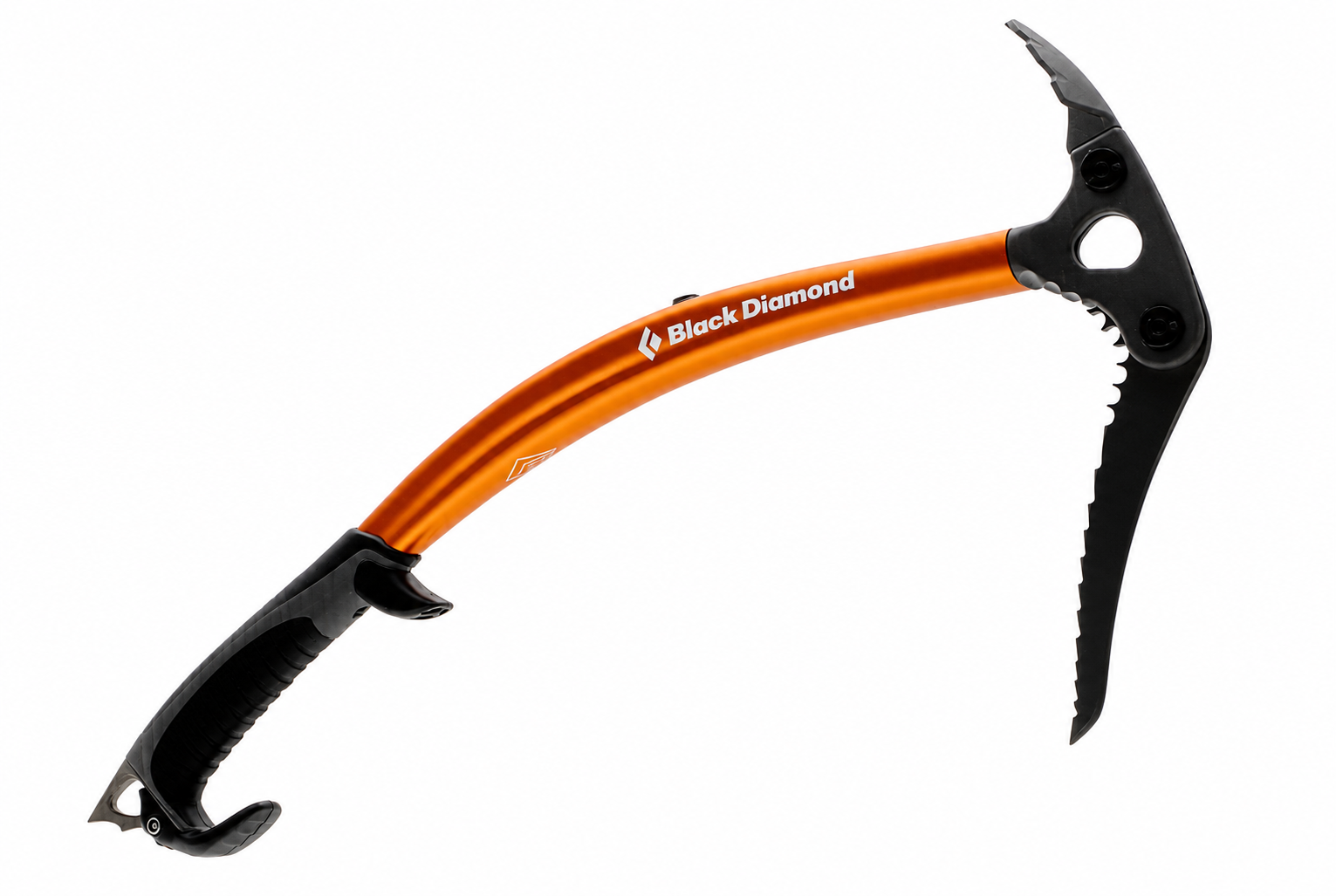
Hydroformed Aluminium Alloy Ice Axe Shaft_ Used by Mountaineers, ice climbers, and alpinists, ice axes must be light and practical. The hydroforming process involves placing extruded aluminium into a closed mold and liquid pressure is applied internally. Shaping tubular parts in this way helps to reduce weight, by increasing stiffness, while maintaining ergonomics. Sourced from “The Materials Sourcebook for Design Professionals" P.52
Aluminium is one of the most useful metals in product design because its properties make things feel durable and premium without making them heavy. It is a lightweight, non-ferrous metal made from bauxite ore via alumina and electrolysis, and it is now used across packaging, transport, architecture, furniture and consumer electronics.
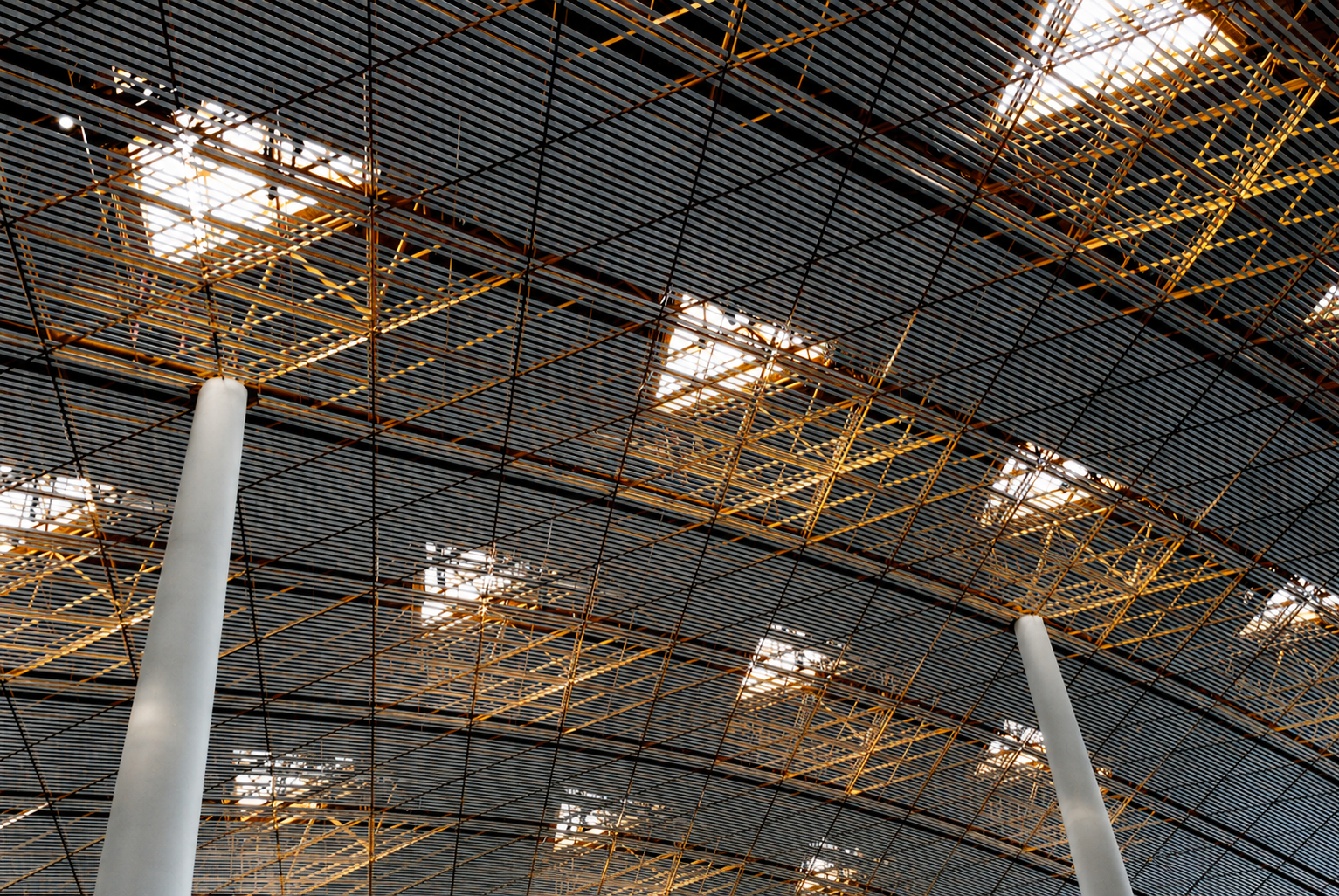
Aluminium Louvres in Beijing Airport_ Beijing airport’s terminal 3 is nearly 3km long, and is one of the worlds largest buildings, designed by Foster + Partners and manufactured by Arup. Steel columns support the vast 28m high roof canopy, the underside of the trussed steel roof is clad with aluminium louvres. They partially conceal the roof and skylights above, while casting light back into the building. Sourced from “The Materials Sourcebook for Design Professionals" P.53
What makes aluminium so versatile is its strong strength-to-weight ratio, its corrosion resistance, it conducts heat and electricity efficiently for its mass, it machines cleanly, and can be formed by extrusion, sheet forming, casting, spinning and CNC machining.
It also takes finishes beautifully, from blasted matte surfaces to polished edges and coloured anodising, which is one reason it became so closely associated with high-end products.
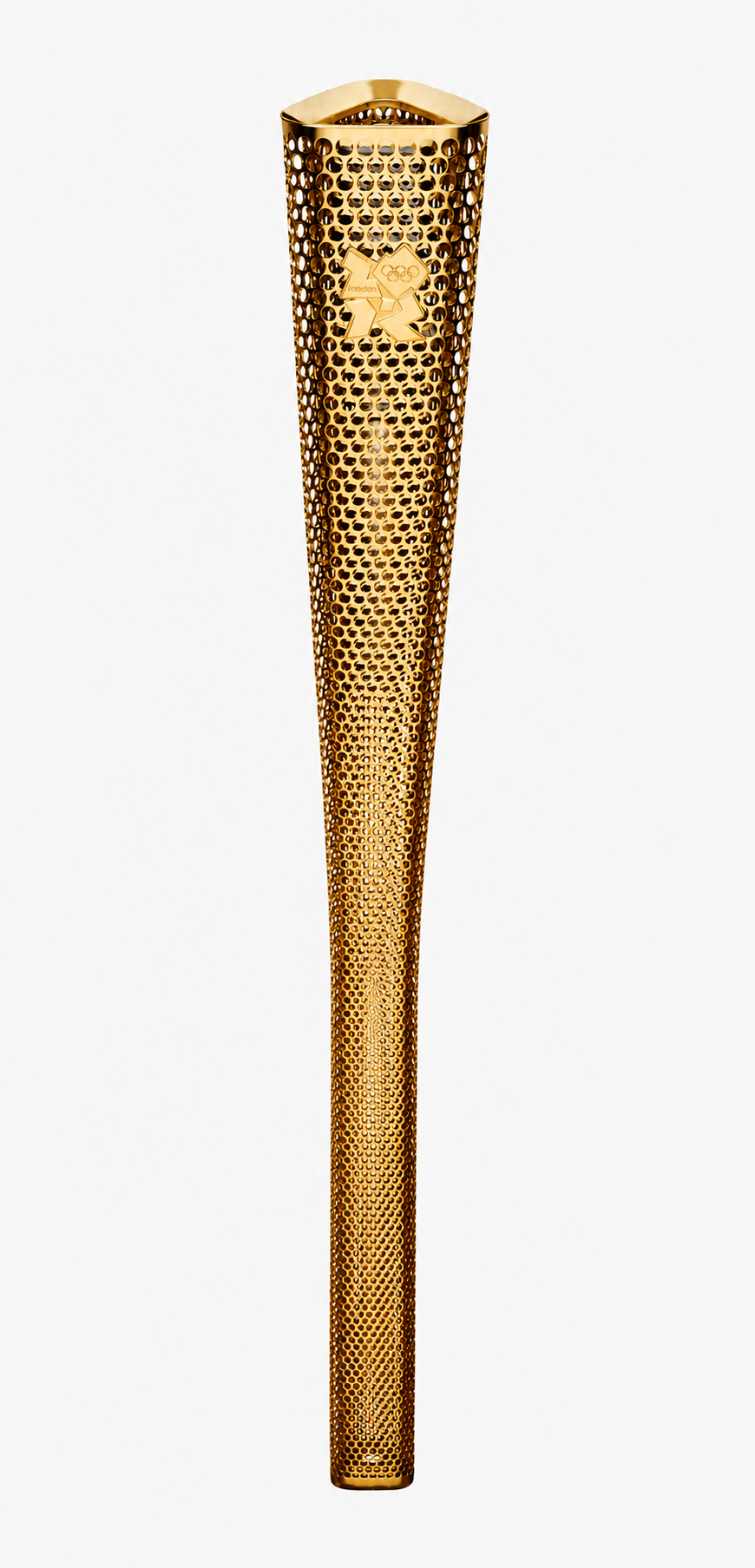
London 2012 Aluminium Olympic Torch_ The torch is anodized gold-coloured aluminium and its form is perforated by 8,000 small cut-out circles, representing the 8,000 Torchbearers, it stands 800mm high and weighs just 800g. Sourced from “Materials for Design,” P.1175
For designers, aluminium makes most sense when reducing weight improves handling, transport efficiency, perceived quality or product lifespan. If you need a rigid, corrosion-resistant part with a refined finish, it is often a strong choice.
It is not perfect however, pure aluminium is soft, and even alloyed grades can dent or scratch more easily than steel. Fatigue also needs careful thought in load-cycling applications, and joining can be more demanding than people expect, whether you are welding, riveting or bonding. It is also more energy intensive to make from virgin ore than many designers realise, so sustainability claims need to be made carefully.
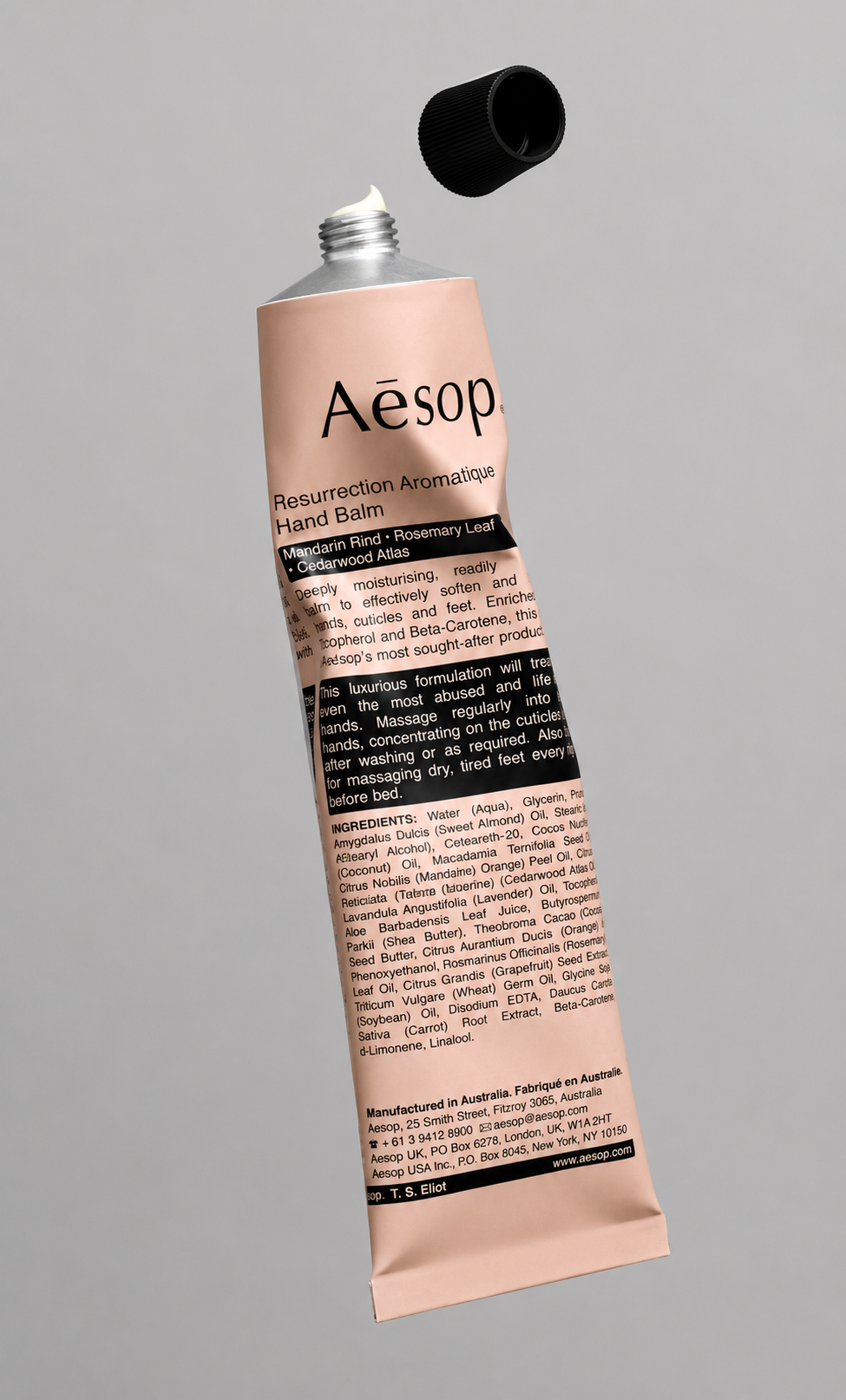
Aesop Aluminium Cosmetics Tube_ used to package liquids and pastes, this thin, flexible aluminium is produced by impact extrusion. Aluminium tubes do not spring back like plastic types, which avoids atmosphere mixing with remaining contents during use. This reduces the risk of contamination as well as helping to maintain the shelf life of the contents. Sourced from “The Materials Sourcebook for Design Professionals" P.45
There a several Aluminium alloy families: 1000 series is close to pure aluminium and easy to form; 5000 series is well known for corrosion resistance, especially in harsher environments; 6000 series is the everyday product-design workhorse for extrusions and machined housings; and 7000 series pushes toward higher strength for more demanding aerospace and sports uses. Older named derivatives include duralumin, magnalium and silumin.
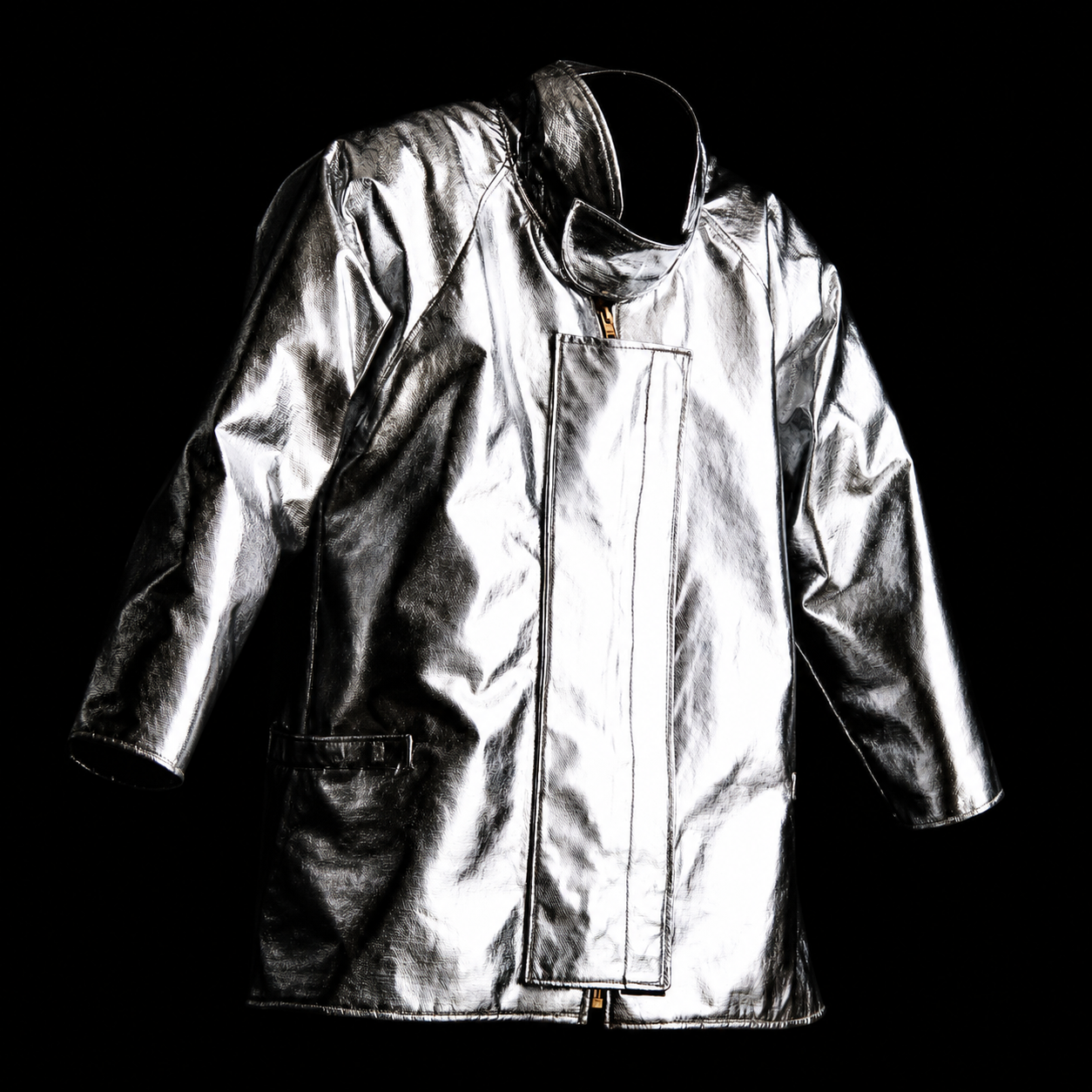
Aluminized Protective Clothing_ Lightweight and flexible, aluminized apparel provides workers with comfortable protection against ambient temperatures of up to 93 degrees C. A full suit is capable of resisting short bursts of radiant heat of up to 1650 degrees C. Sourced from “The Materials Sourcebook for Design Professionals" P.47
From a circularity point of view, aluminium’s primary production is energy intensive, while recycled aluminium typically uses about 95% less energy. So use recycled content where it makes sense, avoid hard-to-separate mixed-material assemblies, design for disassembly, and do not over-specify exotic alloys if a simpler grade will do. Aluminium is at its best when it is made to last, then made easy to recover cleanly.
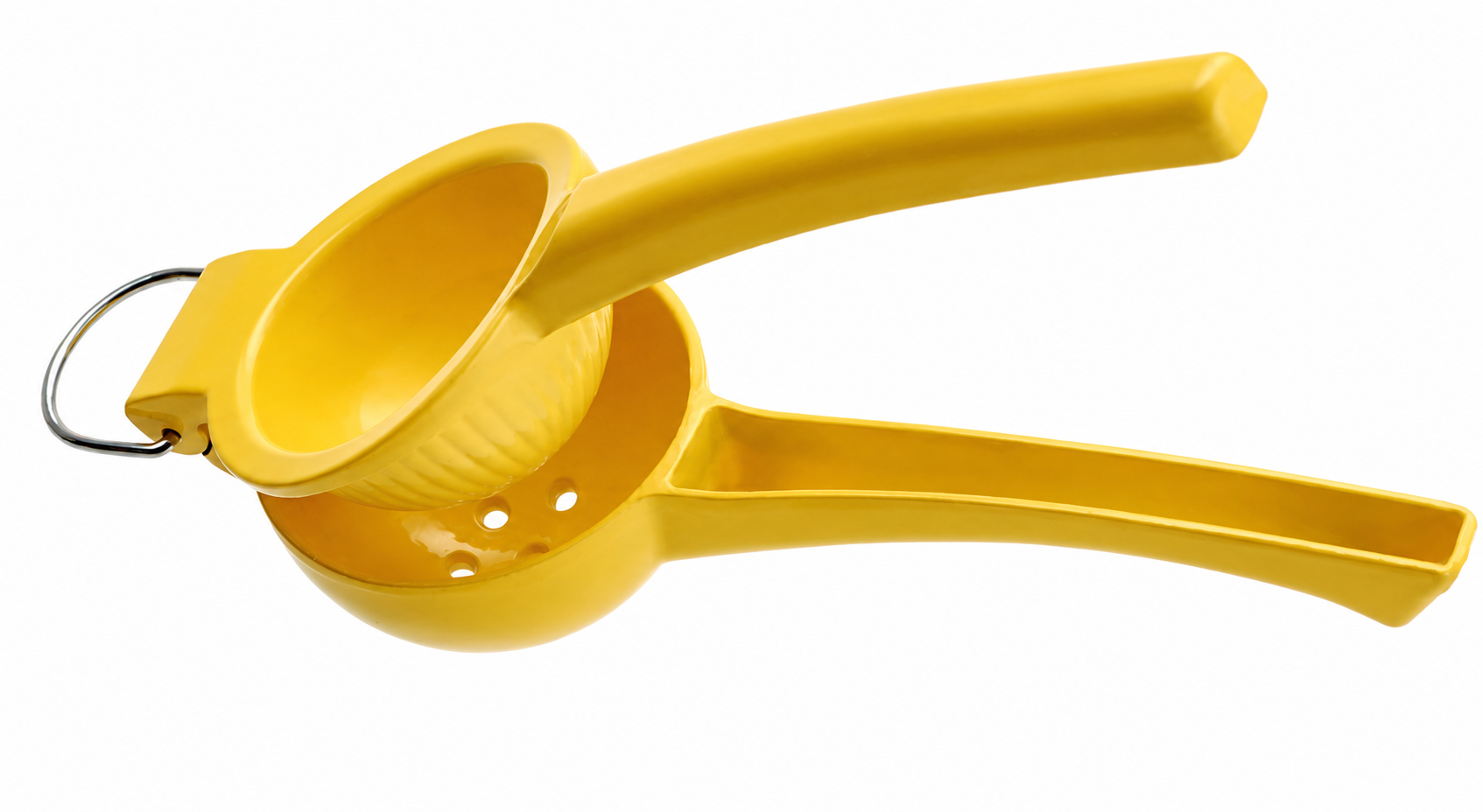
Die-Cast Citrus Press_ The Divertimenti juicer is formed of two halves that rotate around a pivot to apply squeezing pressure. The surface is protected with a durable and brightly coloured powder coating to prevent the acidic juices coming into contact with the base metal. Without protection the aluminium alloy would become tarnished. Sourced from “The Materials Sourcebook for Design Professionals" P.46
Costs per KG:
When it comes to metals, costs are hard to estimate because grade, form, finish, quantity, and alloy surcharges move constantly, so live supplier quotes are essential.
LME aluminium traded around $3,685–$3,708 per tonne, which works out at roughly €3.24–€3.26/kg.
In practice, prototype and low-volume parts cost far more than that, because you are paying for cut sizes, certified alloy stock, waste, machining time, tooling, finishing and supplier margin, not just raw metal.
Sources / Further Reading:
Chris Lefteri, Materials for Design. P174-175 Link to book: Materials for Design - Chris Lefteri - 978178067344
Rob Thompson, The Materials Sourcebook for Design Professionals. P42-53 Link to book: The Materials Sourcebook for Design Professionals - Rob Thompson - 9780500518540
Reuters report on LME aluminium pricing (1st June 2026)
Reuters report citing the International Aluminium Institute, on emissions and recycling energy savings.
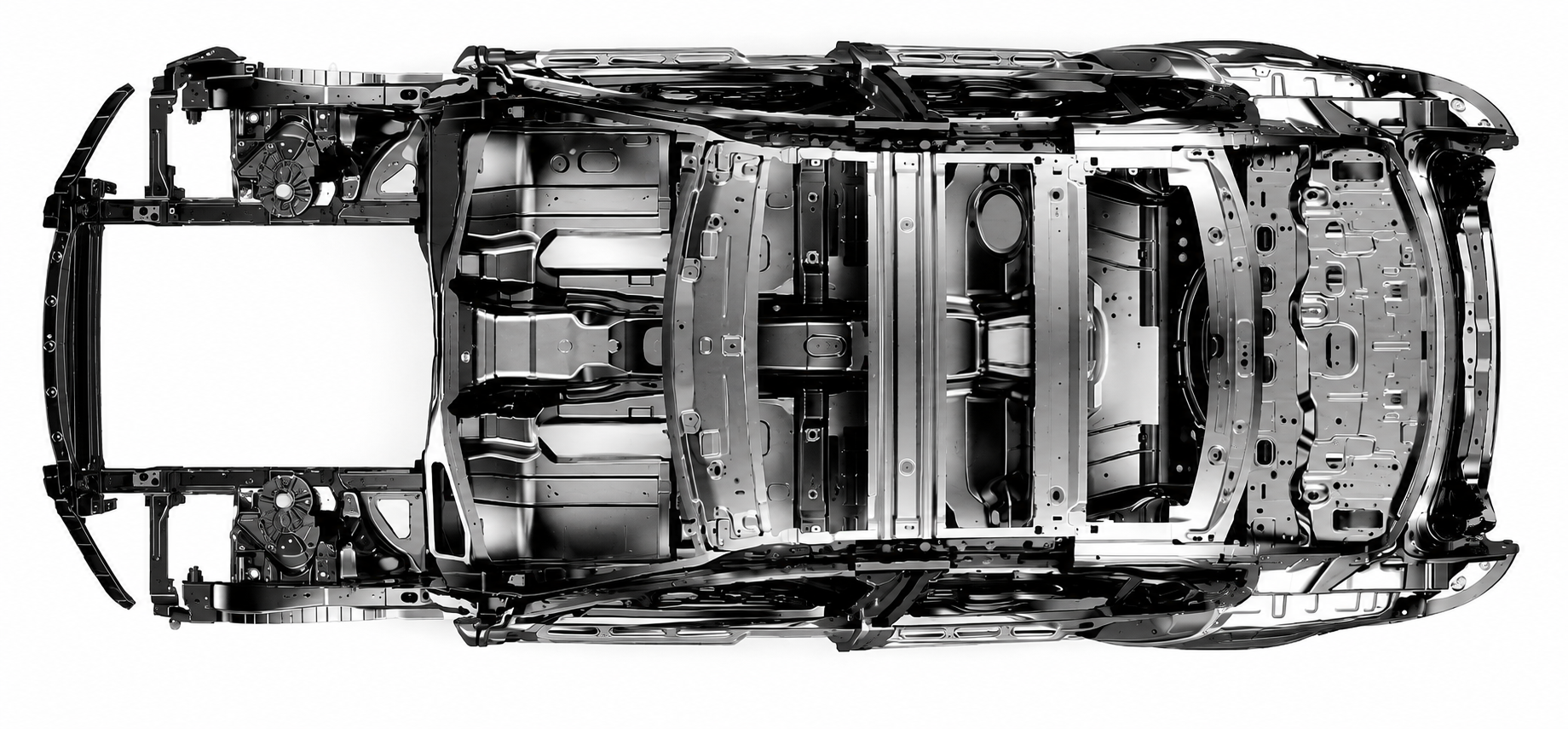
Aluminium Alloy Architecture of the Jaguar XE_ The Jaguar XE (2014) has a stiff and lightweight chassis combined with an aerodynamic aluminium alloy body. It is the first car to be built around an alloy-intensive monocoque (single load-supporting shell). A mix of virgin and recycled aluminium alloy is used in conjunction with cast magnesium and high-strength ateels optimum for strength and performance. In addition, rivets and adhesives have been utilized in place of welding in order to allow for greater freedom of joint design. Sourced from “The Materials Sourcebook for Design Professionals" P.51
If you are developing a product, refining a prototype, or trying to balance cost, durability, finish and manufacturability, Team Human can help with material selection, prototyping, CMF direction and design-for-manufacture decisions that hold up in real use. Contact Team Human at info@teamhuman.ie.
#TeamHuman #ProductDesign #IndustrialDesign #MaterialDesign #Aluminium #Cookware #Automotive #Extrusion #PackagingDesign #ConstructionMaterials #LightingDesign #MaterialResearch #CMFDesign #FurnitureDesign #Aerospace #ProductDevelopment #Prototyping #DesignForRecycling #PackagingInnovation #MadeInIreland #Ireland #Wicklow