
Polycarbonate (PC): When a Product Needs Clarity, Toughness and Control

Suzuki GSX-R Motorcycle Lens_ High-Heat Polycarbonate_ This modified PC provides high-temperature resistance, impact strength, and light transmission. Compared to glass, PC is half the weight and x200 times stronger.
Polycarbonate can solve a lot of design problems. It is an oil-based engineering polymer / thermoplastic, which means it’s more technical and more capable than a standard commodity plastic, so it’s an excellent choice, especially when performance matters. What makes it stand out is the combination of transparency, toughness, and formability. It can deliver a clean, glass-like visual quality while still being suitable for demanding manufactured products.
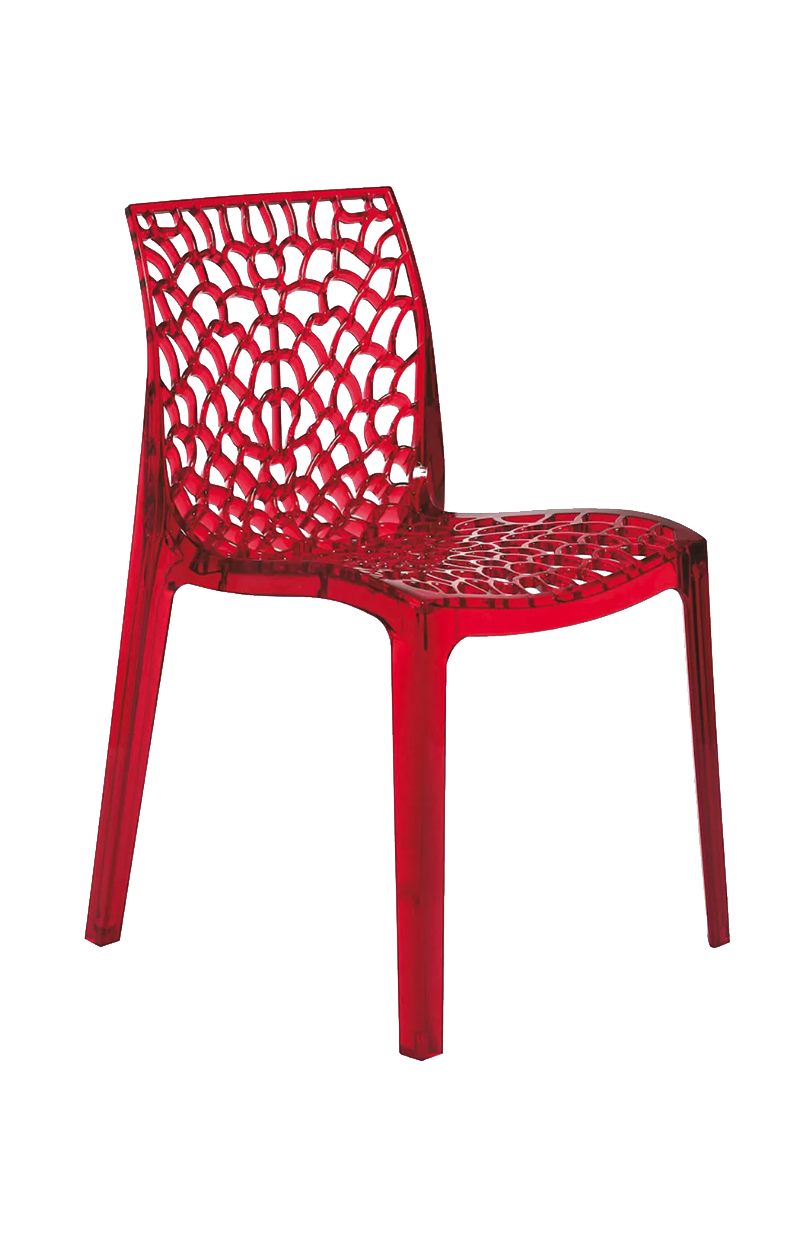
Grandsoliel_ Polycarbonate (PC) Gruvyer Chair_ A chair which takes advantage of PC’s durability, lightness, and clarity to make a stackable outdoor chair.
For product designers, PC is a very useful bridge material between appearance and performance. It is a strong candidate when a product needs to feel precise, protective, or visually light. Polycarbonate is used in products, furniture, and lighting, as well as in automotive and aerospace contexts, which tells you a lot about its range. It is not just for clear housings or covers. It is also used where impact resistance, durability, and a more engineered feel are needed.
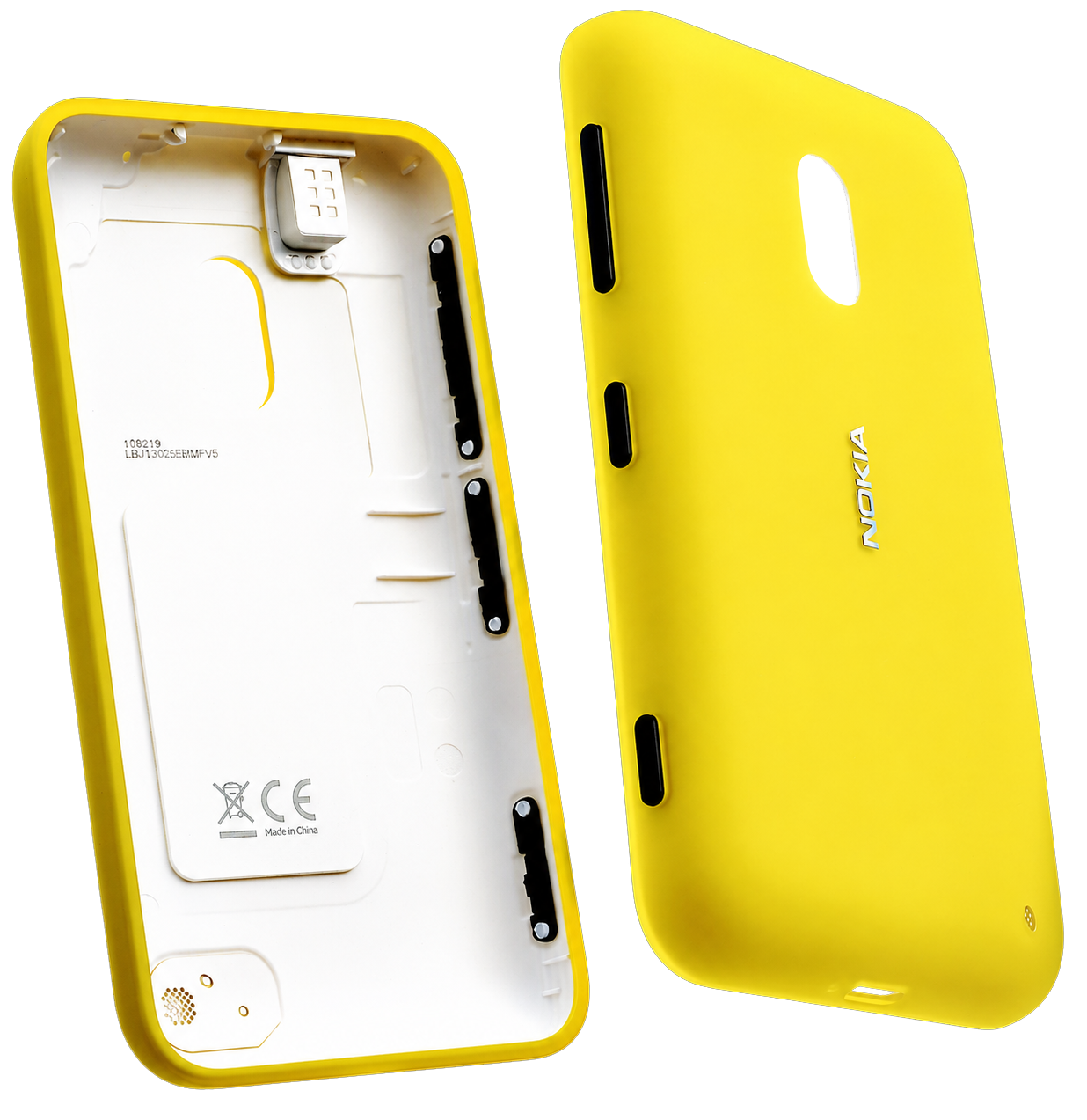
Nokia Lumia 620 Phone cover_ Dual-Shot injection-molded PC_ Two layers of PC, each injected separately, one directly onto the other. The two materials form an impenetrable join that cannot be undone. Being translucent, the two colours work together, showing through, and intensifying one another.
PC is also versatile in how it can be processed and adapted. It can be blow moulded into hollow products, or strengthened with reinforcement and additives, in-mould decoration, and in-mould coating. For a designer, that means PC is not a fixed aesthetic. It can be tinted, textured, coated, strengthened, or visually refined depending on the product brief. In other words, it is not just a structural choice. It is a CMF choice too.
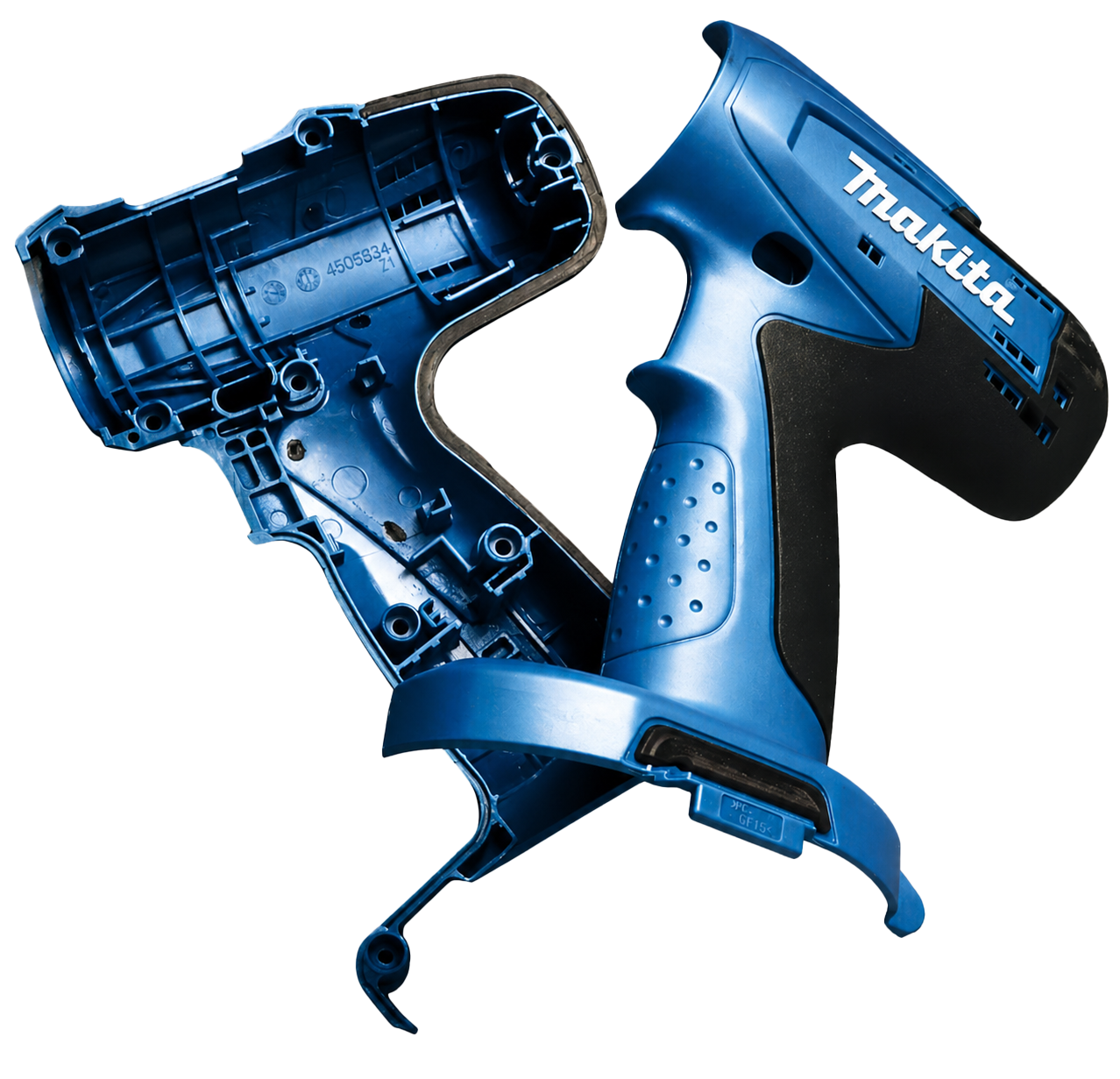
Makita Drill_ Glass-Fibre (GF)-Reinforced Polycarbonate Housing_ 15% GF polycarbonate enhances tensile strength, stiffness & dimensional stability, while the Dual-Shot Molded TPE grip is added during a second molding cycle.
PC is an amorphous (no clearly defined shape) thermoplastic with a linear polymer structure and a high molecular weight (long polymer chains), giving PC its durable impact-resistant properties, but also what makes it vulnerable to chemicals. It can be used alone as a homopolymer or blended to enhance specific properties, such as additional strength, as well as flame & UV resistance. However, polycarbonate does have its drawbacks; while it is recyclable, it is rarely collected and processed. It is marked with the recycling code “#7 ‘other’” which makes it very difficult to identify, unless it’s marked specifically with “PC.”
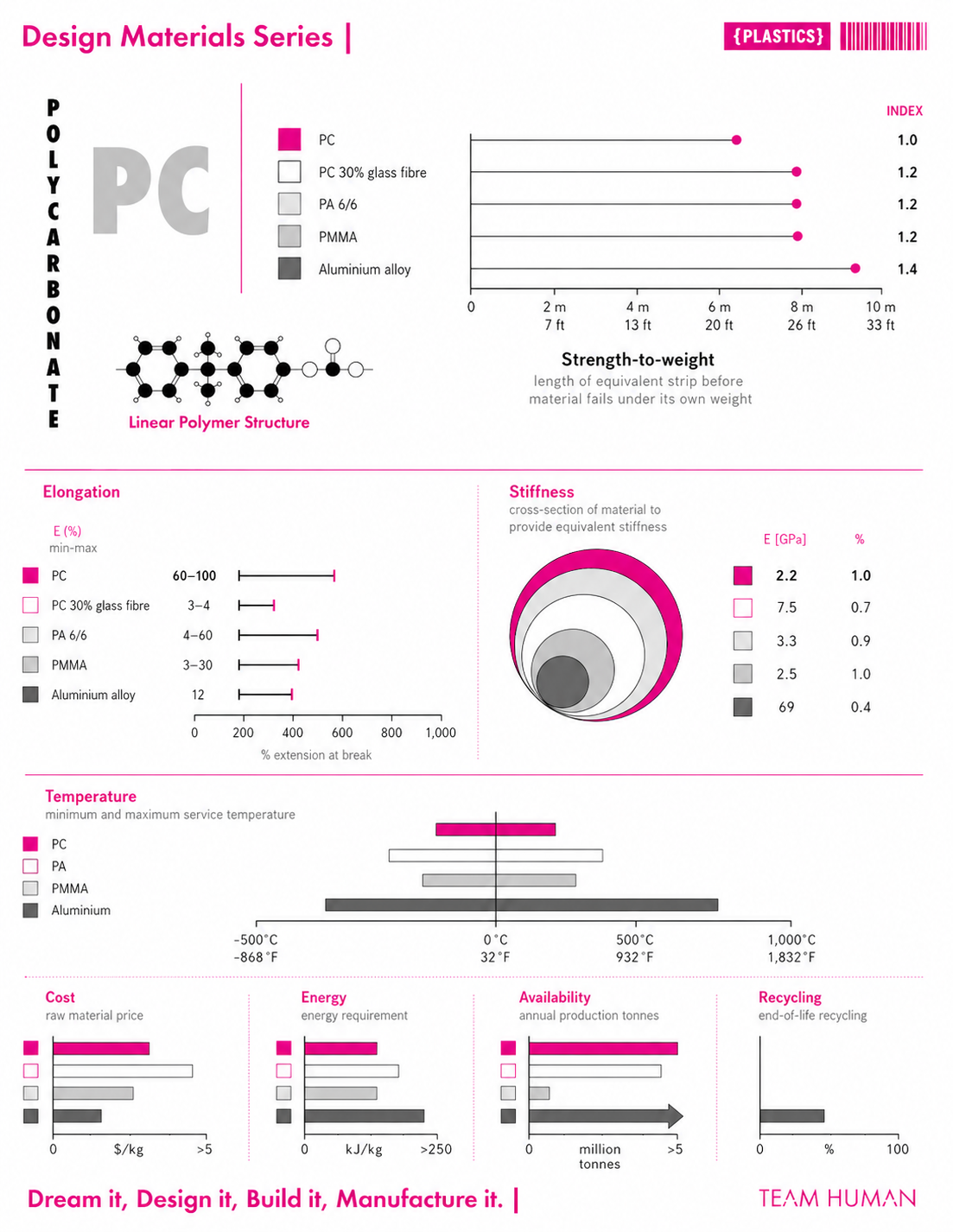
Polycarbonate (PC) Datasheet_ sourced from The Materials Sourcebook for Design Professionals P. 144_ Colours & Layout edited by Tomás Agnew
Costs per KG:
Manufacturing Level: Commodity Polycarbonate Resin: €4.07/kg Average Resin Prices I PlasticPortal.eu
Initial Batch to Market Testing: Smaller Quantities: €560.65/20kg = €28.03/kg Ultrafuse® Pellets PC GF30 | Pellets
Prototyping Stage: 1kg 3D Printing filament spool: €42.99/kg PC | Bambu Lab EU Store
Sources / Further Reading:
Chris Lefteri, Materials for Design. P116-117 Link to book: Materials for Design - Chris Lefteri - 978178067344, Link to Chris Lefteri’s website, where you can find interesting articles and further research: CMF Industry-Leading Material Reports | Chris Lefteri Design — Chris Lefteri Design
Rob Thompson, The Materials Sourcebook for Design Professionals. P144-151 Link to book: The Materials Sourcebook for Design Professionals - Rob Thompson - 9780500518540
Grandsoliel, Gruvyer Chair_ Polycarbonate (PC)_ sedia-gruvyer-in-policarbonato-1648.pdf What Grandsoliel says about PC: grandsoleilspa.it/en/italian-design/23/materials
Special Chem: Material Selection Platform_ Polycarbonate (PC): Properties, sustainability, and key applications
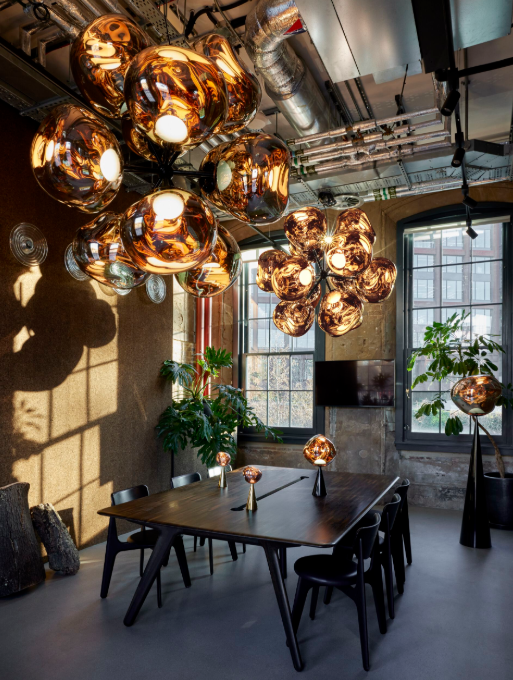
Melt Lighting Collection by Tom Dixon
Are you ready to explore materials for your next big design? Let Team Human be your partner in that journey of discovery. Contact us today at info@teamhuman.ie or visit our website www.teamhuman.ie to explore how we can help you.
Based in Wicklow, Ireland, Team Human is a leading product design and innovation consultancy. Our expertise spans industrial design, medical devices, and more. Join us on this exciting journey of innovation, and let's shape a better future together.
#TeamHuman #ProductDesign #Ireland #Dublin #Wicklow #IndustrialDesign #MedicalDevices #Innovation #DesignAgency #DesignThinking #3DPrint #Workshop #Prototype #RapidPrototyping #Design #IrishDesign #SketchModel #Startup #SupportLocal #Technology #Advancement #Realize #DesignerMaker #Product #PC #Materials #MaterialDesign #PC/ABS #PC/ASA #PC/PET #PC/PBT #EngineeringPolymer #Thermoplastic #Lighting #AerospaceDesign #Plastics #TransparentPlastics